

What Is Cybersecurity Culture and Why Does It Matter in Manufacturing
Cybersecurity culture in manufacturing means every person on your team, from machine operators to maintenance staff, understands their role in protecting your facility from digital threats. Unlike traditional office environments, manufacturing floors present unique challenges where a single compromised system can shut down entire production lines.
Your manufacturing cybersecurity culture becomes the human firewall that technology alone cannot provide. When operators know how to spot suspicious emails, maintenance teams understand USB security protocols, and supervisors can quickly identify unusual network activity, you create multiple layers of defense.
The stakes are particularly high in manufacturing because operational technology (OT) systems directly control physical processes. A successful cyberattack doesn’t just steal data; it can halt production, damage equipment, or even create safety hazards. This reality makes cybersecurity awareness training in manufacturing essential for business continuity.
Manufacturing environments also face unique threat vectors. Contractors frequently connect devices to your network, USB drives move between systems, and legacy equipment may lack modern security features. Your frontline employees are often the first to notice when something seems off, making their security awareness crucial for early threat detection.
Why the Production Floor Needs Cybersecurity Awareness
Production floors operate differently from corporate offices, which means your cybersecurity training for operators must address real manufacturing scenarios. Operators work with industrial control systems, programmable logic controllers, and human-machine interfaces that attackers increasingly target.
Your frontline cybersecurity manufacturing approach should focus on the specific risks operators encounter daily. They might receive phishing emails designed to look like equipment alerts, encounter suspicious USB drives left near workstations, or notice unauthorized personnel attempting to access restricted areas.
The interconnected nature of modern manufacturing systems means a security breach in one area can quickly spread throughout your facility. When operators understand how their actions affect overall security, they become active participants in your defense strategy rather than potential weak links.
Consider the production environment’s unique characteristics: 24/7 operations, shift changes, temporary workers, and vendor access. Each of these factors creates security challenges that require specific awareness and procedures. Your industrial cybersecurity culture must account for these realities while maintaining operational efficiency.
How Do You Get Manufacturing Employees to Care About Cybersecurity
Getting manufacturing employees engaged with cybersecurity starts with connecting security practices to outcomes they care about, job security, workplace safety, and production efficiency. When employees understand that cyberattacks can shut down operations and threaten their livelihoods, security becomes personally relevant.
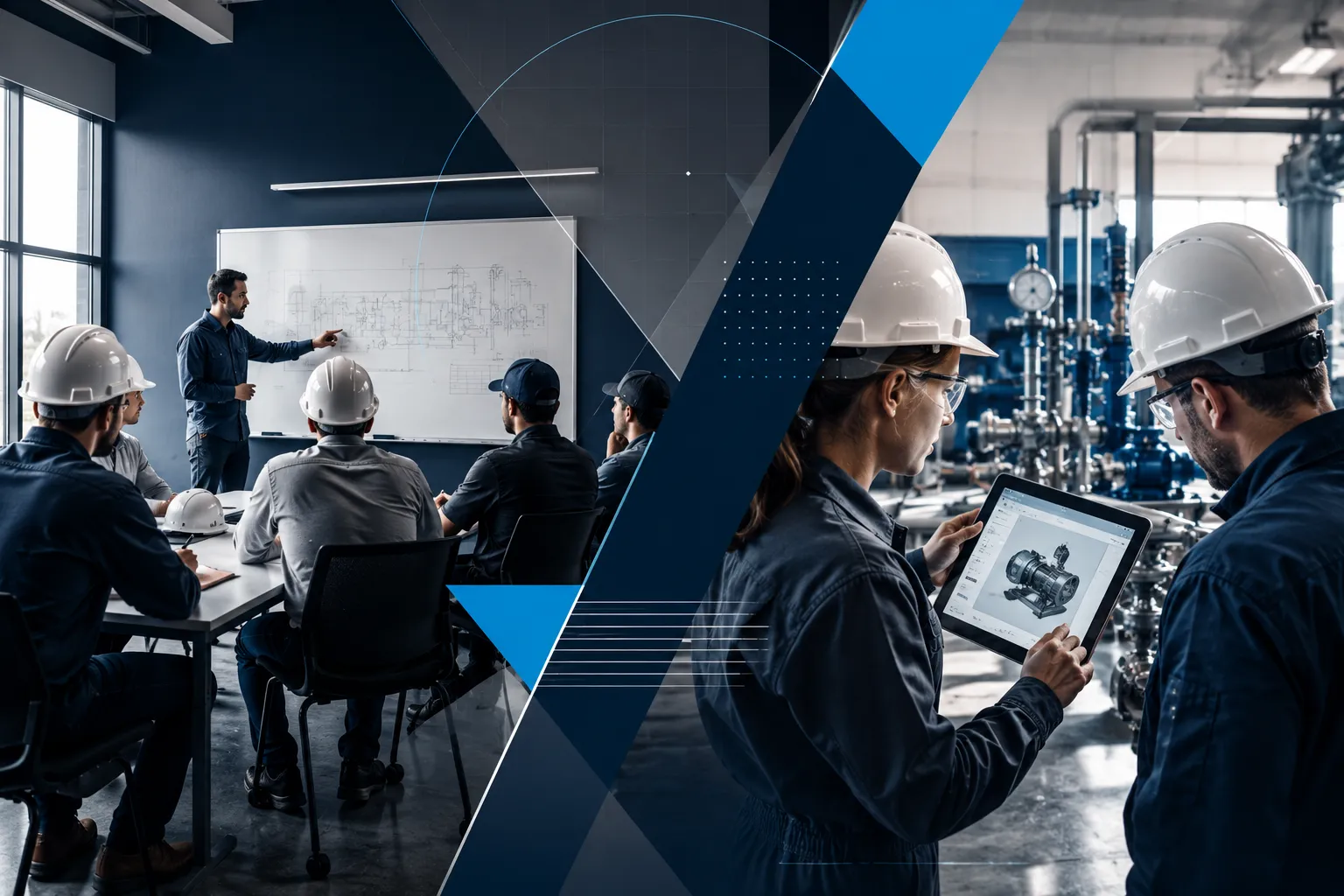
Make your manufacturing employee cybersecurity training practical and relevant to their daily work. Instead of abstract concepts, use examples from your industry. Show how a ransomware attack could halt their specific production line or how a compromised system might affect their safety protocols.
Recognition and positive reinforcement work better than fear-based messaging. When employees report suspicious activity or follow security procedures correctly, acknowledge their contribution to protecting the facility. This approach builds a culture where security awareness becomes a source of pride rather than an additional burden.
Involve supervisors and team leaders as security champions. When respected colleagues advocate for security practices, frontline employees are more likely to embrace them. These champions can also help identify practical challenges and suggest improvements to security procedures.
What Are the Biggest Cybersecurity Threats on the Factory Floor
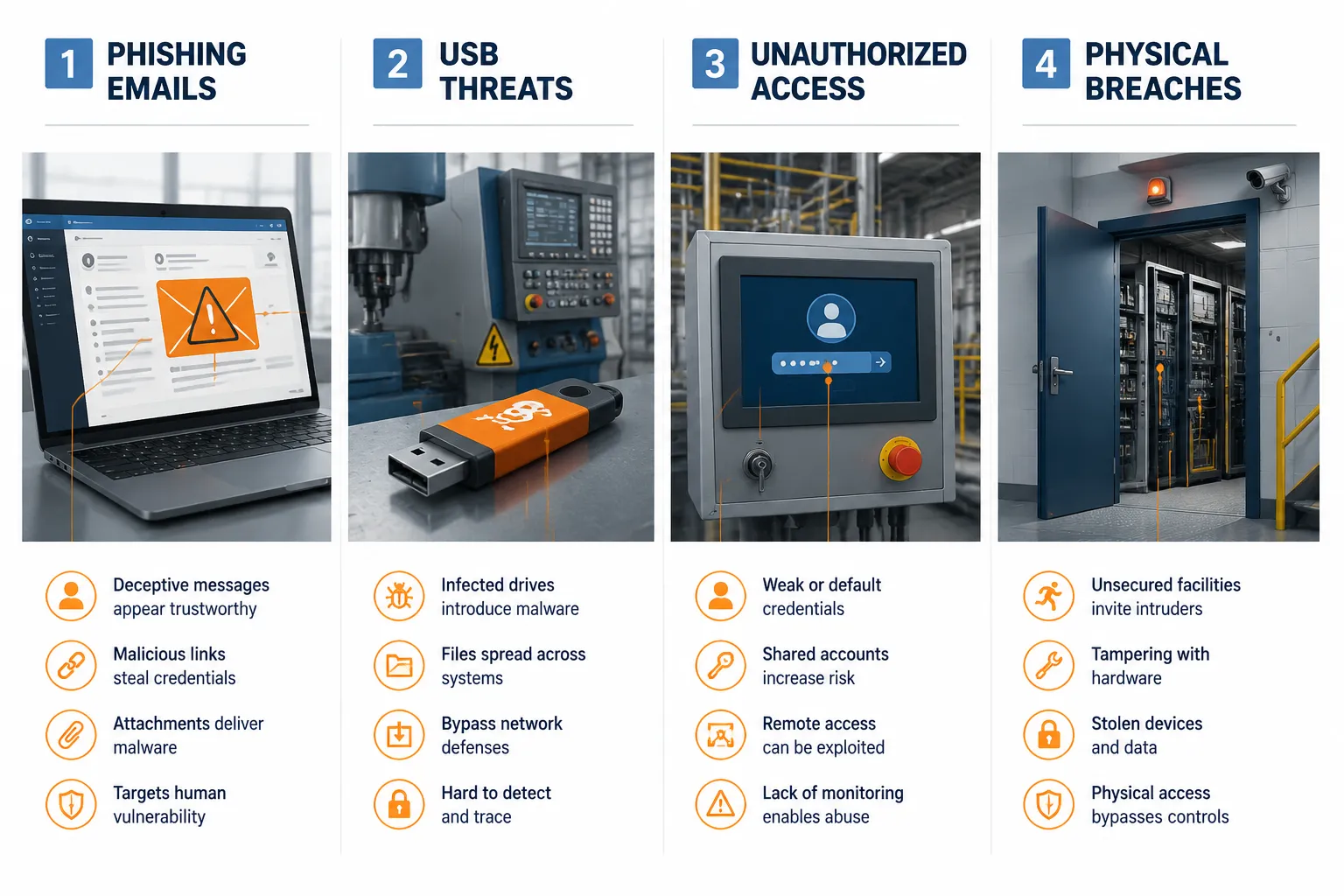
Manufacturing facilities face several distinct cyber threats that differ from typical office environments. Phishing attacks targeting manufacturing often impersonate equipment vendors, safety alerts, or production updates to trick employees into clicking malicious links or downloading infected files.
USB security manufacturing concerns are particularly acute because removable media frequently moves between systems for software updates, data collection, and equipment maintenance. Infected USB drives can introduce malware directly into operational technology networks, bypassing traditional network security measures.
Unauthorized network access poses another significant risk. Contractors, vendors, and temporary workers often need system access, creating opportunities for both intentional and accidental security breaches. Without proper access controls and monitoring, these connections can become attack vectors.
Physical security breaches in manufacturing can enable cyberattacks. An attacker who gains physical access to your facility might connect devices to your network, access unsecured terminals, or steal credentials from workstations. This makes the connection between physical and cybersecurity crucial.
Legacy systems present ongoing challenges because older industrial equipment may lack modern security features. These systems often cannot be easily updated or replaced, requiring special security measures and heightened awareness from operators who work with them daily.
What’s the Difference Between IT and OT Cybersecurity Awareness
IT cybersecurity focuses on protecting data, networks, and business systems, while OT cybersecurity awareness must address the unique challenges of operational technology that controls physical processes. Your operators need training that reflects these differences.
OT cybersecurity awareness emphasizes availability and safety over data protection. While IT systems can often be taken offline for updates or incident response, manufacturing systems typically require continuous operation. This means security procedures must account for production schedules and safety requirements.
The consequences of OT security incidents extend beyond data breaches to include production shutdowns, equipment damage, and potential safety hazards. Your cybersecurity training for operators should emphasize how security practices protect both digital assets and physical safety.
OT environments often involve specialized protocols, legacy systems, and air-gapped networks that require different security approaches than traditional IT infrastructure. Operators need to understand these unique characteristics and how they affect security procedures.
How Often Should Operators Get Cybersecurity Training
Manufacturing operators should receive initial cybersecurity training during onboarding, followed by quarterly refresher sessions and annual comprehensive updates. However, the frequency should adapt to your facility’s risk profile, incident history, and regulatory requirements.
Monthly security awareness communications work well for maintaining engagement between formal training sessions. These can include brief safety talks, email updates about new threats, or quick reminders about security procedures during shift meetings.
Just-in-time training provides security guidance when employees encounter specific situations. For example, when operators need to connect a new device or receive an unusual email, having immediate access to security guidance helps them make good decisions in real-time.
Event-driven training becomes necessary after security incidents, new threat discoveries, or significant system changes. These sessions should focus on lessons learned and updated procedures rather than generic security concepts.
How Do You Make Cybersecurity Training Engaging for Frontline Workers
Effective cybersecurity training for operators uses hands-on scenarios that mirror real manufacturing situations. Instead of lecture-style presentations, create interactive exercises where employees practice identifying suspicious emails, reporting security concerns, or following USB security protocols.
Gamification elements can increase engagement, but they must be carefully designed for manufacturing environments. Simple recognition systems, team challenges, or progress tracking can motivate participation without creating distractions from production responsibilities.
Use real examples from your industry or facility when possible. Employees relate better to security scenarios that involve their actual equipment, systems, and work processes rather than generic office situations.
Keep training sessions short and focused. Manufacturing workers often have limited time for training, so 15-20 minute sessions that cover specific topics work better than lengthy comprehensive programs. This approach also allows for better retention and immediate application.
Multilingual training materials ensure all employees can fully participate regardless of their primary language. Manufacturing workforces are often diverse, and effective security culture requires everyone to understand their role in protecting the facility.
What Should Manufacturing Employees Know About Phishing Attacks
Manufacturing phishing awareness should focus on industry-specific attack methods that target industrial environments. Attackers often impersonate equipment vendors, safety organizations, or regulatory bodies to make their messages appear legitimate to manufacturing employees.
Employees should learn to verify sender identity through independent channels before clicking links or downloading attachments. This means calling the supposed sender using known contact information rather than replying to suspicious emails directly.
Common phishing indicators in manufacturing include urgent requests for system access, unexpected software updates, fake safety alerts, and messages claiming to be from equipment manufacturers. Training should include examples of these specific attack types.
The reporting process for suspected phishing must be simple and fast. Employees should know exactly who to contact and how to forward suspicious messages without fear of criticism. Quick reporting allows IT teams to investigate and protect other employees before attacks spread.
How Do You Handle USB Drives and Removable Media Safely in Manufacturing
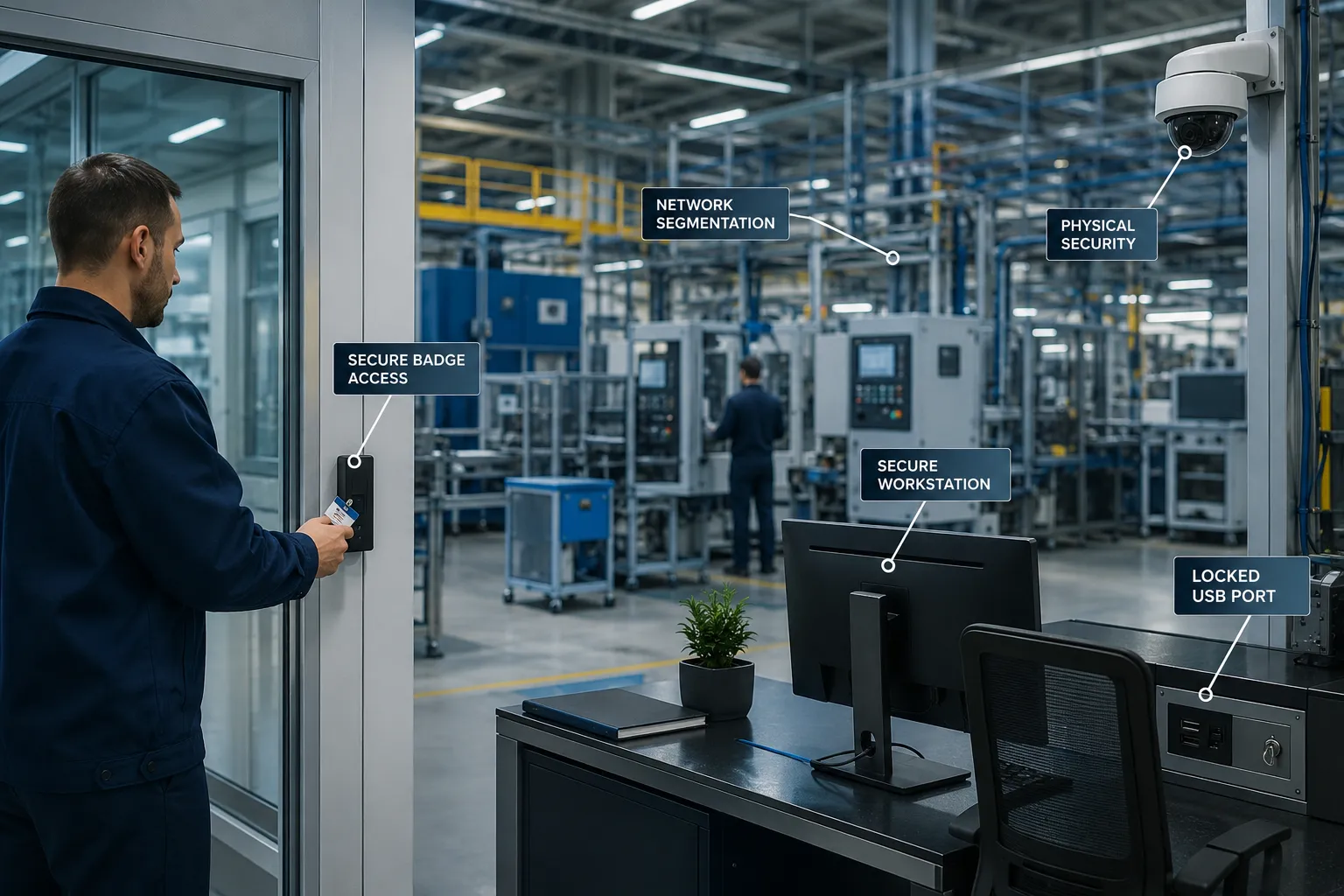
USB security policies in manufacturing should clearly define when and how removable media can be used in your facility. Many manufacturing operations require USB drives for equipment maintenance, software updates, and data collection, making complete prohibition impractical.
Establish a controlled process for USB device approval and scanning. This might include maintaining an inventory of approved devices, requiring malware scanning before use, or designating specific workstations for removable media operations.
Employee training should cover the risks of unknown USB devices and the importance of never using personal drives on work systems. Employees should also understand why they should never pick up USB drives found around the facility, as these could be deliberately planted attack tools.
Alternative methods for data transfer should be promoted when possible. Network-based file sharing, cloud storage, or dedicated data collection systems can reduce reliance on removable media while maintaining operational efficiency.
What Are Common Cybersecurity Mistakes Operators Make
Operators commonly share login credentials to avoid delays when systems lock out or when colleagues need quick access. While this seems efficient, shared credentials make it impossible to track who accessed what systems and when, creating security and compliance risks.
Leaving workstations unlocked during breaks or shift changes creates opportunities for unauthorized access. In busy manufacturing environments, this habit often develops because locking and unlocking systems seems time-consuming, but the security risk is significant.
Connecting personal devices to work networks, even temporarily, can introduce malware or create unauthorized access points. Employees may not realize that charging a phone or connecting a tablet can pose security risks to industrial systems.
Ignoring software update notifications or security warnings because they might disrupt production creates vulnerabilities. While production continuity is important, completely ignoring security alerts can lead to much more significant disruptions later.
How Do You Balance Cybersecurity with Production Speed on the Floor
Successful manufacturing security awareness programs integrate security practices into existing workflows rather than creating additional steps that slow production. This requires understanding how operators actually work and designing security procedures that complement their processes.
Automated security tools can handle routine tasks without requiring operator intervention. For example, automated USB scanning, network monitoring, and access controls can provide security without impacting production speed.
Clear escalation procedures help employees know when to prioritize security over production speed. While routine security practices should be seamless, employees need guidance for handling potential security incidents that might require stopping work.
Regular feedback from operators helps identify security procedures that create unnecessary friction. When employees understand that their input is valued and acted upon, they’re more likely to follow security practices and suggest improvements.
How Do You Keep Cybersecurity Awareness Top of Mind Year-Round
Regular communication through existing channels keeps security awareness active without creating additional meeting requirements. Safety talks, shift briefings, and team meetings can include brief security reminders alongside other operational topics.
Visual reminders placed strategically around the facility reinforce key security messages. Posters near workstations, stickers on equipment, and digital displays can provide just-in-time security guidance when employees need it most.
Seasonal campaigns can address specific threats or refresh key concepts. For example, focusing on USB security during maintenance seasons or emphasizing phishing awareness during busy periods when employees might be more distracted.
Integration with safety programs leverages existing cultural emphasis on workplace safety to reinforce cybersecurity importance. When security becomes part of the overall safety culture, it receives the same attention and respect as other safety practices.
How Do You Measure if Your Manufacturing Cybersecurity Culture is Working
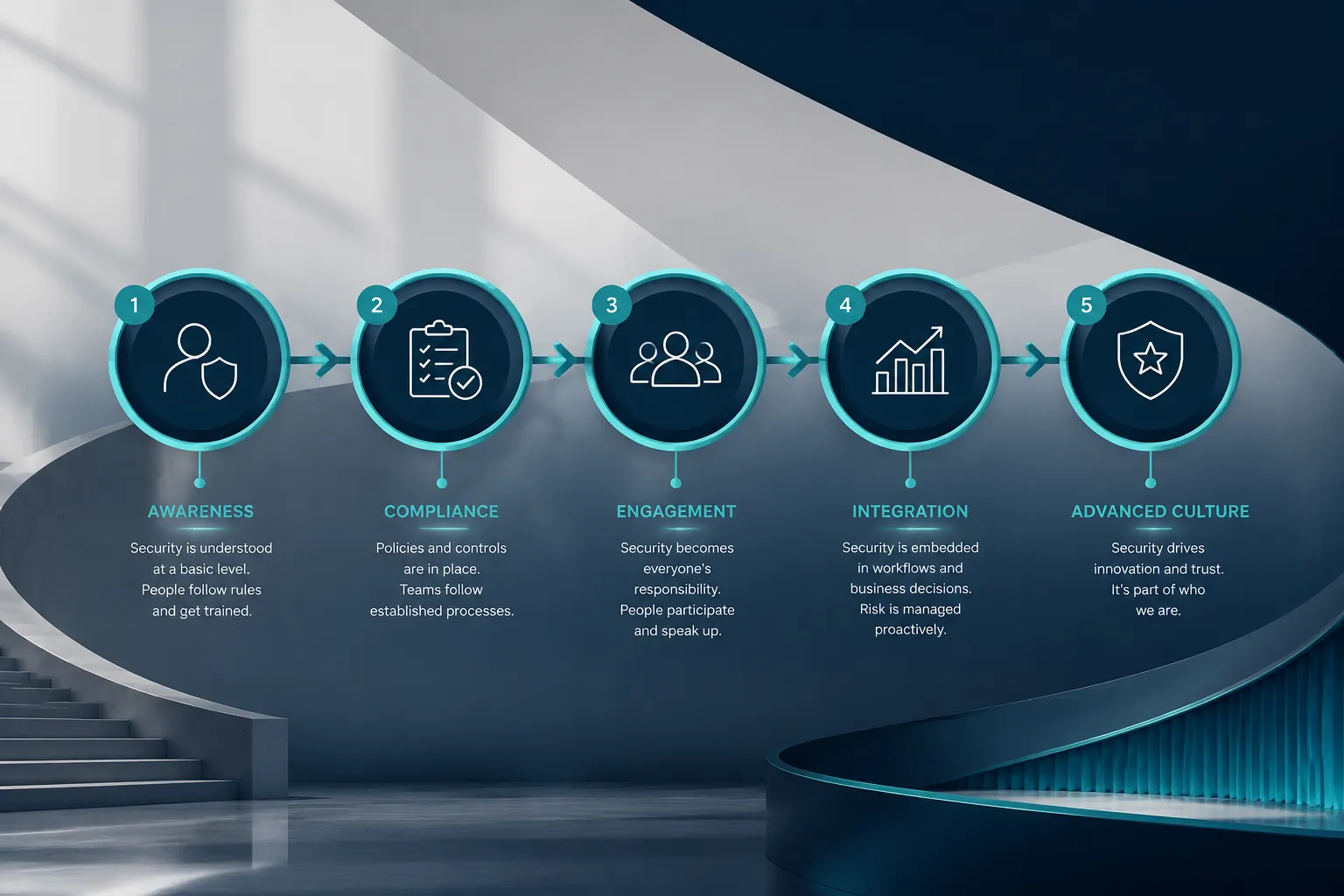
Tracking training completion rates provides a baseline but doesn’t measure actual behavior change. More meaningful metrics include incident reporting rates, security procedure compliance, and employee feedback about security awareness.
Simulated phishing tests specifically designed for manufacturing environments can measure real-world readiness. These tests should use manufacturing-relevant scenarios rather than generic office phishing attempts to provide accurate assessments.
Regular security assessments should evaluate both technical controls and human factors. This includes observing actual security practices, interviewing employees about their understanding, and identifying gaps between training and implementation.
Trend analysis over time reveals whether your security culture is improving. Look for increases in voluntary security reporting, decreases in security incidents, and improvements in assessment scores to gauge program effectiveness.
What’s the Best Way to Train Older or Less Tech-Savvy Operators
Experienced operators bring valuable institutional knowledge but may need additional support with cybersecurity concepts. Training approaches should respect their expertise while building new skills in areas where they have less experience.
Peer mentoring programs pair tech-savvy employees with those who need additional support. This approach leverages existing relationships and creates a supportive learning environment that doesn’t single out individuals who need help.
Hands-on demonstrations work better than abstract explanations for employees who prefer practical learning. Show exactly what suspicious emails look like, demonstrate proper USB procedures, and provide step-by-step guidance for security tasks.
Patient, repeated exposure to key concepts helps build confidence and competence. Rather than expecting immediate mastery, provide multiple opportunities to practice security procedures in low-pressure environments.
What Happens if an Operator Clicks a Malicious Link at Work
Immediate containment procedures should be clearly defined and practiced so employees know exactly what to do if they suspect they’ve made a security mistake. Quick action can often prevent minor incidents from becoming major problems.
The response should focus on protecting systems rather than assigning blame. When employees fear punishment for security mistakes, they’re less likely to report incidents quickly, which can make problems much worse.
IT teams need predefined procedures for investigating and containing potential security incidents in manufacturing environments. This includes understanding which systems might be affected and how to isolate problems without unnecessarily disrupting production.
Post-incident learning opportunities help prevent similar problems in the future. Review what happened, why it happened, and what can be done differently, but frame these discussions as learning experiences rather than fault-finding exercises.
FAQ
How long does it take to build a strong cybersecurity culture in manufacturing?
Building a mature manufacturing cybersecurity culture typically takes 12-18 months of consistent effort. You’ll see initial improvements in awareness within 3-6 months, but developing ingrained security behaviors and proactive threat reporting takes longer.
Should cybersecurity training be mandatory for all manufacturing employees?
Yes, cybersecurity training should be mandatory for everyone who has access to your facility or systems, including contractors and temporary workers. However, training content should be tailored to each role’s specific responsibilities and risk exposure.
What’s the biggest challenge in manufacturing cybersecurity awareness programs?
The biggest challenge is balancing security requirements with production efficiency. Employees will resist security practices that significantly slow their work, so successful programs integrate security into existing workflows rather than creating additional steps.
How do you handle cybersecurity training for multiple shifts?
Deliver training through multiple channels, including in-person sessions, online modules, and recorded presentations to accommodate different shift schedules. Ensure supervisors on all shifts can reinforce key messages and answer basic security questions.
What role should supervisors play in cybersecurity culture?
Supervisors should act as security champions who reinforce training messages, model good security behaviors, and serve as the first point of contact for security concerns. They need additional training to handle these responsibilities effectively.
How often should you update manufacturing cybersecurity training content?
Review and update training content quarterly to address new threats, incorporate lessons learned from incidents, and reflect changes in your systems or procedures. Annual comprehensive reviews ensure training remains relevant and effective.
What’s the best way to measure employee engagement with cybersecurity training?
Measure engagement through multiple indicators, including training completion rates, voluntary security reporting, performance on simulated tests, and feedback surveys. Look for trends over time rather than single-point measurements.
How do you address resistance to cybersecurity training among experienced operators?
Address resistance by explaining how cybersecurity protects their jobs and workplace safety, involving respected team members as security champions, and designing training that respects their experience while building new skills.
Should manufacturing cybersecurity training differ from office-based programs?
Yes, manufacturing training should focus on OT-specific threats, use industrial scenarios, address physical security connections, and account for the unique operational requirements of production environments.
What’s the most important cybersecurity skill for manufacturing operators to develop?
The most important skill is recognizing when something seems unusual or suspicious and knowing how to report it quickly. This foundational awareness enables operators to serve as an early warning system for potential threats.
How do you maintain cybersecurity awareness during busy production periods?
Integrate brief security reminders into existing communications like safety talks and shift briefings. Use visual aids and just-in-time guidance that doesn’t require additional meeting time during busy periods.
What should you do if employees ignore cybersecurity procedures to meet production deadlines?
Address the root cause by examining whether security procedures are practical for real-world operations. Work with employees to identify streamlined approaches that maintain security without creating unrealistic time pressures.