

What’s the Actual Difference Between Cybersecurity and IT Support
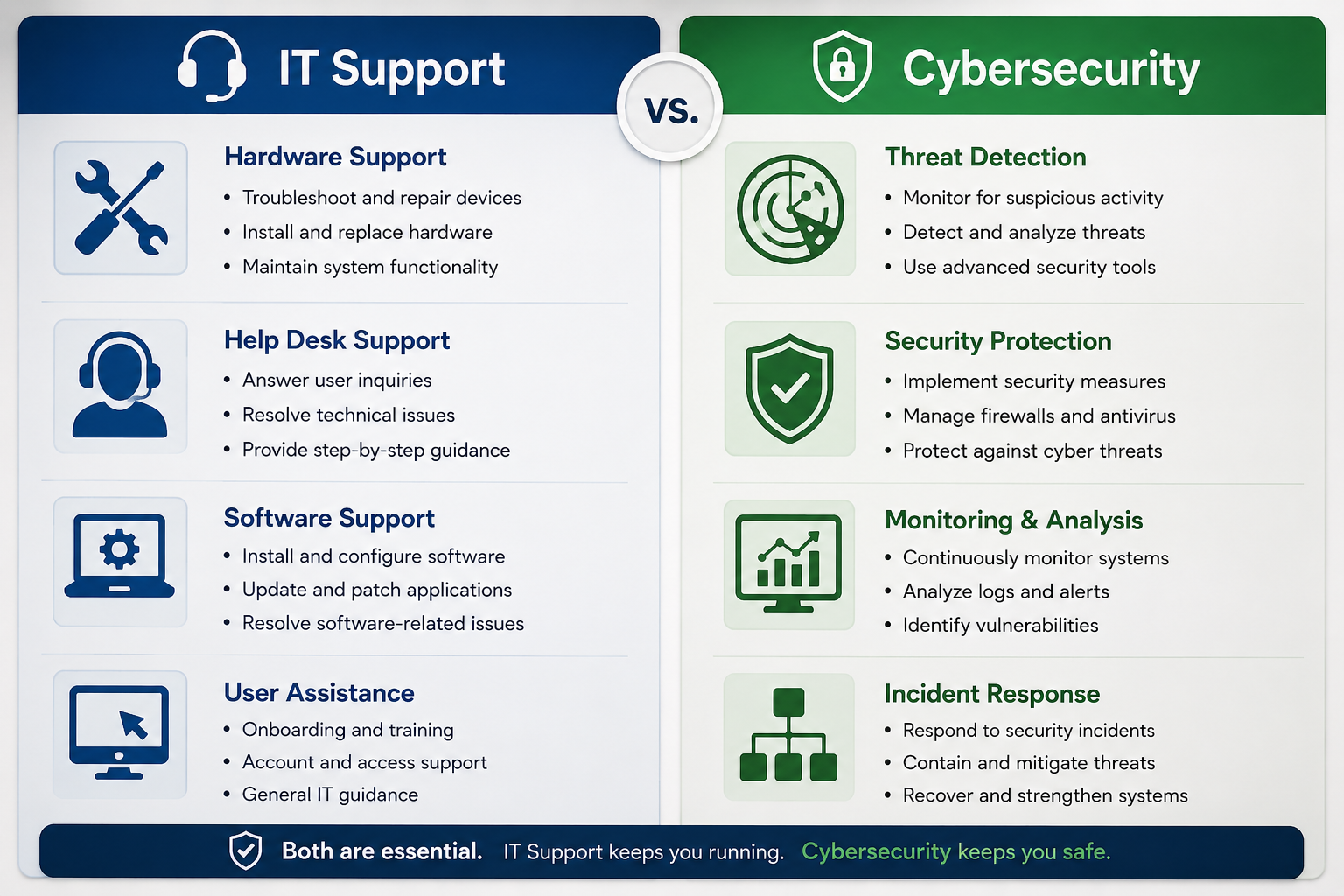
IT support keeps your technology running, while cybersecurity keeps it safe from attackers. Think of IT support as the maintenance crew for your digital infrastructure, and cybersecurity as the security guards protecting it from intruders.
Your IT support team handles the day-to-day technical issues that keep your business operational. They troubleshoot when your email stops working, help employees with software problems, manage user accounts, and ensure your systems stay updated. Their primary goal is to minimize downtime and keep productivity high.
Cybersecurity professionals, on the other hand, focus exclusively on protecting your business from digital threats. They monitor for suspicious activity, implement security controls, respond to incidents, and ensure your data stays protected. Their expertise lies in understanding how attackers think and building defenses against evolving threats.
The confusion often arises because both services involve technology, but they require completely different skill sets. An IT support technician might know how to install antivirus software, but a cybersecurity specialist understands how to configure advanced threat detection, analyze security logs, and respond to sophisticated attacks.
Common mistake: Assuming your IT person automatically handles security because they manage your computers. Most traditional IT providers focus on operational issues, not security threats.
What IT Support Actually Does for Your Business
IT support ensures your technology infrastructure runs smoothly and employees can work productively. Their expertise centers on operational efficiency, not threat prevention.
Help Desk and User Support
Your IT support team serves as the first point of contact when technology problems disrupt work. They handle password resets, software installation issues, printer problems, and user training. This same-day support keeps your team productive and prevents small technical hiccups from becoming major business disruptions.
Device and Hardware Management
IT professionals manage your computers, servers, and network equipment. They handle hardware repairs and system upgrades and ensure all devices stay properly configured. When equipment fails, they either fix it quickly or arrange replacements to minimize downtime.
Software and System Maintenance
Regular maintenance keeps your business systems running efficiently. IT support manages software updates, monitors system performance, and ensures compatibility between different applications. They also handle data backups and basic system administration tasks.
Network and Infrastructure Support
Your IT team maintains the network infrastructure that connects everything. They manage internet connectivity and wireless networks and ensure all systems can communicate effectively. This includes basic network security like firewalls and access controls.
What IT support typically doesn’t include: Advanced threat hunting, security incident response, compliance reporting, or specialized cybersecurity tools and monitoring.
What Cybersecurity Actually Does to Protect You
Cybersecurity focuses specifically on protecting your business from digital threats, data breaches, and cyberattacks. This specialized discipline requires different tools, training, and expertise than traditional IT support.
Threat Detection and Monitoring
Professional cybersecurity includes 24/7 monitoring of your network for suspicious activity. Security specialists use advanced tools to detect unusual behavior patterns, unauthorized access attempts, and potential malware infections. This proactive monitoring catches threats before they cause damage.
Risk Assessment and Management
Cybersecurity professionals evaluate your business’s specific vulnerabilities and implement appropriate protections. They understand which threats pose the greatest risk to your industry and prioritize security measures accordingly. This risk-based approach ensures you get the most protection for your investment.
Incident Response and Recovery
When security incidents occur, cybersecurity specialists know how to respond quickly and effectively. They can isolate threats, preserve evidence, coordinate with law enforcement if needed, and help restore normal operations. This expertise proves invaluable during the stressful moments following a breach.
Compliance and Regulatory Requirements
Many industries face specific cybersecurity compliance requirements. Security professionals understand these regulations and help ensure your business meets all necessary standards. This includes documentation, reporting, and implementing required security controls.
Key difference: While IT support reacts to problems after they occur, cybersecurity works to prevent problems and detect threats in real-time.
Do I Really Need Both for My Small Business
Yes, you need both IT support and cybersecurity because they protect different aspects of your business operations. Relying on just one leaves dangerous gaps that modern threats can exploit.
Consider this scenario: Your IT support provider keeps your systems running smoothly, but they’re not monitoring for the subtle signs of a ransomware attack. By the time obvious symptoms appear, attackers have already encrypted your files and stolen sensitive data. Professional cybersecurity monitoring would have detected the initial intrusion and stopped the attack.
The Dangerous Gap Between Services
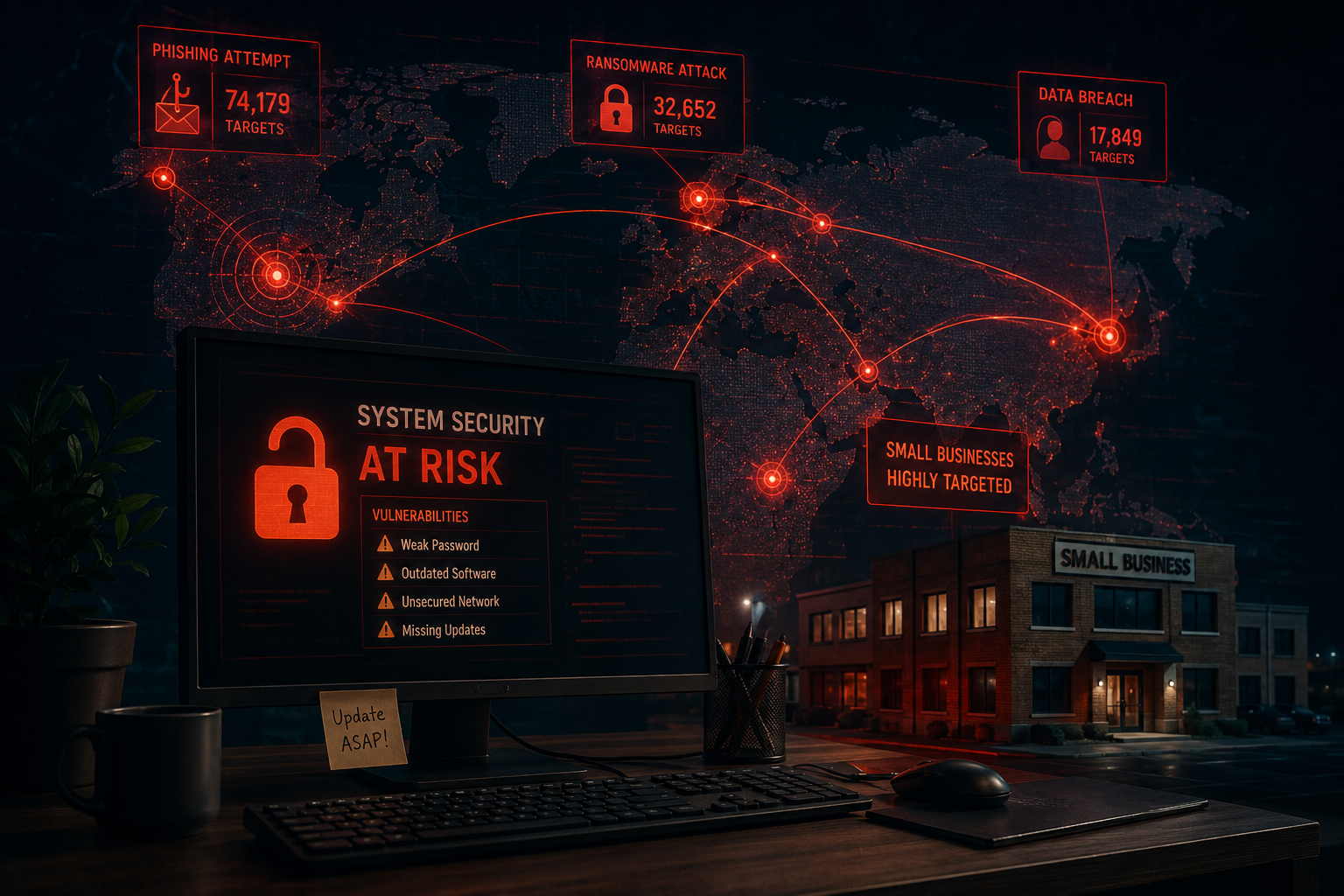
Most small businesses have a critical security gap between their IT support and actual cybersecurity protection. Your IT provider might install antivirus software and manage firewalls, but they’re not actively hunting for threats or analyzing security logs for suspicious patterns.
This gap becomes especially dangerous because modern cyberattacks often start small and escalate over time. Attackers spend weeks or months quietly exploring your network before launching their main attack. Without dedicated security monitoring, these reconnaissance activities go completely unnoticed.
Industry Expertise Makes the Difference
Different industries face unique cybersecurity challenges that require specialized knowledge. Healthcare practices must protect patient data under HIPAA regulations, while accounting firms handle sensitive financial information that attracts specific types of cybercriminals. A reliable partner with industry expertise understands these nuances and implements appropriate protections.
Real-world example: A dental practice might have excellent IT support for its practice management software, but without proper cybersecurity, patient records remain vulnerable to healthcare-focused ransomware attacks that specifically target medical data.
Can My Regular IT Guy Handle Cybersecurity, or Do I Need a Specialist
Your regular IT provider likely lacks the specialized training and tools needed for effective cybersecurity in 2026. Modern cyber threats require dedicated expertise that goes far beyond traditional IT skills.
Cybersecurity demands continuous education about evolving threats, specialized certifications, and access to advanced security tools. Most traditional IT providers focus on keeping systems operational, not on understanding the latest attack techniques or implementing sophisticated defense strategies.
Why Specialization Matters
Cybersecurity threats evolve constantly, with new attack methods emerging weekly. Security specialists dedicate their entire focus to staying ahead of these threats, while general IT providers must divide their attention across many different technical areas.
Professional cybersecurity providers invest in expensive monitoring tools, threat intelligence feeds, and specialized software that most IT support companies don’t have. They also maintain relationships with security vendors, law enforcement, and incident response teams that prove crucial during actual security events.
The Training and Certification Gap
Effective cybersecurity requires specific certifications and ongoing training that most IT support technicians don’t pursue. Security professionals study topics like penetration testing, forensic analysis, and compliance frameworks that fall outside traditional IT education.
Choose a specialist if your business handles sensitive data, faces compliance requirements, or operates in a high-risk industry. The cost of specialized cybersecurity is always less than the cost of a successful cyberattack.
What Are Common Mistakes Small Business Owners Make With Tech Protection
The biggest mistake is assuming that basic IT support provides adequate cybersecurity protection. This misconception leaves businesses vulnerable to increasingly sophisticated cyber threats.
Believing Antivirus Software Is Enough
Many business owners think installing antivirus software on their computers provides complete protection. Modern cyber threats often bypass traditional antivirus through sophisticated techniques like social engineering, zero-day exploits, and living-off-the-land attacks that use legitimate system tools maliciously.
Ignoring Employee Training and Awareness
Technical solutions alone can’t protect against human error. Employees who fall for phishing emails or use weak passwords create security vulnerabilities that no amount of technology can fix. Comprehensive cybersecurity includes regular training to help staff recognize and avoid common threats.
Neglecting Mobile Device Security
As remote work becomes more common, business data increasingly lives on smartphones, tablets, and personal devices. Many businesses focus only on securing their office computers while ignoring the security risks posed by mobile devices accessing company information.
Underestimating Compliance Requirements
Industries like healthcare, finance, and legal services face strict data protection regulations. Failing to meet these requirements can result in significant fines, legal liability, and loss of professional licenses. Professional cybersecurity ensures compliance with industry-specific regulations.
Most dangerous assumption: Thinking that cybercriminals only target large corporations. Small businesses often have weaker defenses, making them attractive targets for automated attacks and opportunistic cybercriminals.
What Happens If I Ignore Cybersecurity Risks
Ignoring cybersecurity risks exposes your business to devastating financial losses, operational disruption, and permanent reputation damage. The consequences extend far beyond the immediate costs of a cyberattack.
Direct Financial Impact
Data breaches cost small businesses an average of hundreds of thousands of dollars when factoring in incident response, legal fees, regulatory fines, and business interruption. Many small businesses never recover from a major cyberattack, with studies showing that a significant percentage close within six months of a serious breach.
Operational Disruption and Downtime
Ransomware attacks can shut down your entire business for days or weeks while you work to restore systems and data. During this time, you can’t serve customers, process orders, or generate revenue. The longer the disruption, the more customers you lose to competitors.
Legal and Regulatory Consequences
Businesses that suffer data breaches face potential lawsuits from affected customers and regulatory investigations from government agencies. These legal proceedings can drag on for years, consuming management time and resources while damaging your business reputation.
Long-term Reputation Damage
News of a data breach spreads quickly, especially in local business communities. Customers lose trust in businesses that can’t protect their personal information, leading to lost sales and difficulty attracting new clients. Professional relationships with partners and vendors may also suffer.
Insurance reality check: Cyber insurance increasingly requires proof of professional cybersecurity measures. Without proper protections, you might not have coverage when you need it most.
How Much Does Professional Cybersecurity Cost Compared to Regular IT Help
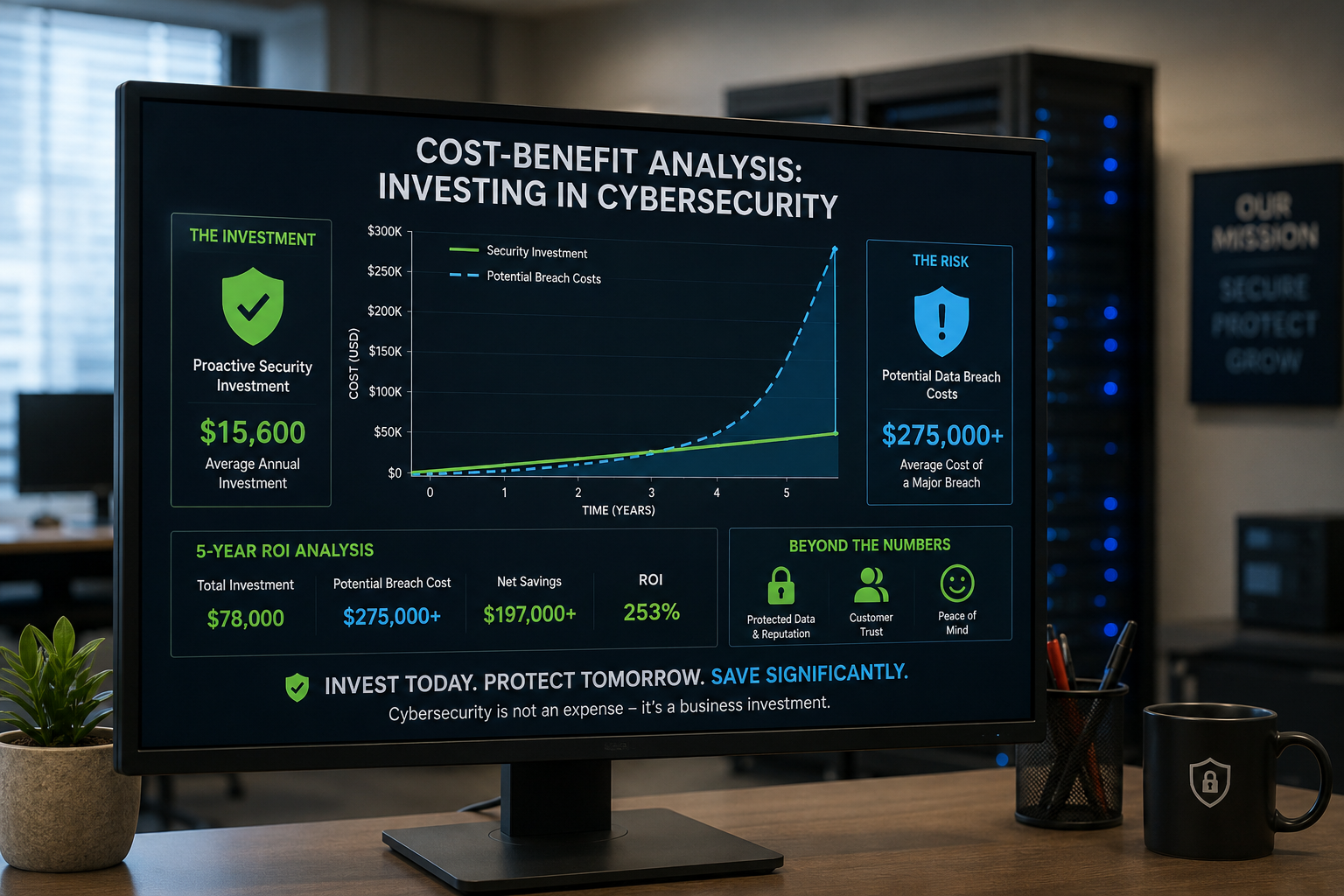
Professional cybersecurity typically costs 20-40% more than basic IT support, but this investment is minimal compared to the potential cost of a data breach. Most small businesses can implement comprehensive cybersecurity for less than they spend on other routine business expenses.
Understanding Cybersecurity Investment Levels
Basic cybersecurity monitoring and protection for a small business typically range from a few hundred to a few thousand dollars monthly, depending on your business size and complexity. This includes 24/7 monitoring, threat detection, incident response, and compliance support.
Compare this to the average cost of a data breach, which can easily reach six figures when you factor in forensic investigation, legal fees, regulatory fines, customer notification costs, and lost business. The return on investment becomes clear when you consider these potential losses.
Factors That Affect Cybersecurity Pricing
Your industry, business size, and regulatory requirements all influence cybersecurity costs. Healthcare practices and financial services typically pay more due to stricter compliance requirements, while general businesses might need less comprehensive protection.
The complexity of your IT environment also affects pricing. Businesses with multiple locations, cloud services, and remote employees require more sophisticated monitoring and protection than simple single-office operations.
Straightforward Pricing Models
Look for cybersecurity providers that offer clear, predictable pricing without hidden fees or surprise charges. The best providers include all necessary services in their monthly fee, giving you peace of mind about both security and costs.
Budget reality: Most businesses spend more on coffee and office supplies than they would on professional cybersecurity. The question isn’t whether you can afford cybersecurity, but whether you can afford to go without it.
Which Industries Need More Cybersecurity Than Others
Healthcare, finance, legal services, and any business handling sensitive personal data face higher cybersecurity requirements due to regulatory compliance and the valuable nature of their information.
Healthcare and Medical Practices
Medical practices, dental offices, and healthcare facilities must comply with HIPAA regulations while protecting highly valuable patient data. Healthcare records sell for premium prices on criminal markets, making these businesses prime targets for cybercriminals.
Financial Services and Accounting
Banks, credit unions, accounting firms, and financial advisors handle sensitive financial information that requires strict protection. These businesses face both regulatory requirements and sophisticated attacks from financially motivated cybercriminals.
Legal and Professional Services
Law firms and other professional services often handle confidential client information that could be used for blackmail or competitive advantage. The privileged nature of attorney-client communications makes these businesses attractive targets for corporate espionage.
Manufacturing and Automotive
Manufacturing companies and automotive dealerships increasingly rely on connected systems and digital processes that create new cybersecurity vulnerabilities. Industrial control systems and connected vehicles present unique security challenges that require specialized expertise.
Universal truth: Every business needs cybersecurity, but some industries face higher risks and stricter requirements that demand more comprehensive protection and specialized expertise.
How Do I Know If My Current IT Support Is Doing Enough to Protect Me
Your current IT support is likely not providing adequate cybersecurity if they’re not actively monitoring for threats, conducting regular security assessments, or discussing compliance requirements with you.
Warning Signs of Inadequate Protection
If your IT provider only mentions security when installing antivirus software or updating firewalls, you probably have significant security gaps. Professional cybersecurity involves ongoing monitoring, threat analysis, and proactive risk management that goes far beyond basic IT maintenance.
Ask your current provider about their security monitoring capabilities, incident response procedures, and compliance expertise. If they can’t provide detailed answers or seem uncomfortable discussing advanced security topics, you need additional cybersecurity support.
Questions to Ask Your IT Provider
Does your provider offer 24/7 security monitoring? Can they detect and respond to advanced threats in real-time? Do they understand the compliance requirements for your industry? Have they helped other clients respond to actual security incidents?
Professional cybersecurity providers can answer these questions confidently and provide specific examples of how they protect similar businesses. They should also be able to explain their monitoring tools, response procedures, and reporting capabilities.
The Audit and Assessment Approach
Consider having an independent cybersecurity assessment performed to identify gaps in your current protection. This objective evaluation will reveal vulnerabilities that your current IT provider might miss or lack the expertise to address.
Red flag: If your IT provider gets defensive or discourages you from seeking additional security expertise, this suggests they know their capabilities are limited but don’t want to admit it.
What Are the Most Dangerous Cybersecurity Threats for Small Businesses Right Now
Ransomware, business email compromise, and credential theft represent the most significant threats to small businesses in 2026, with attackers increasingly targeting smaller organizations with weaker defenses.
Ransomware and Data Encryption Attacks
Ransomware attacks have become more sophisticated and targeted, with cybercriminals researching their victims before launching attacks. Modern ransomware not only encrypts files but also steals sensitive data, creating double-extortion scenarios where victims face both operational disruption and data breach consequences.
Business Email Compromise (BEC)
BEC attacks use social engineering to trick employees into transferring money or sensitive information to cybercriminals. These attacks often involve extensive research about your business and employees, making fraudulent requests appear legitimate and urgent.
Credential Theft and Account Takeover
Cybercriminals use various techniques to steal employee login credentials, then use these legitimate accounts to access business systems undetected. This approach bypasses many traditional security measures because the access appears normal from a technical perspective.
Supply Chain and Third-Party Attacks
Attackers increasingly target smaller businesses as a way to reach larger organizations in their supply chain. Your business might become an unwitting entry point for attacks against your clients or partners, creating liability and relationship issues.
Emerging concern: AI-powered attacks are becoming more sophisticated and harder to detect, requiring advanced security tools and expertise that most small businesses lack internally.
Should a Startup or Small Business Outsource Cybersecurity or Hire Internally
Small businesses and startups should almost always outsource cybersecurity because the specialized expertise, tools, and 24/7 monitoring required are too expensive and complex to manage internally.
The Economics of Internal vs. Outsourced Security
Hiring a qualified cybersecurity professional costs significantly more than outsourcing to a managed security provider. When you add the costs of security tools, training, and infrastructure, internal cybersecurity becomes prohibitively expensive for most small businesses.
Outsourced cybersecurity providers spread these costs across many clients, making advanced security capabilities affordable for smaller organizations. You get access to enterprise-grade tools and expertise at a fraction of the cost of building internal capabilities.
Expertise and Specialization Advantages
Cybersecurity requires diverse expertise across multiple domains: threat intelligence, incident response, compliance, forensics, and risk management. No single person can master all these areas, but a specialized provider employs teams of experts in each discipline.
Managed security providers also maintain relationships with vendors, law enforcement, and industry organizations that prove valuable during security incidents. These connections provide resources and support that internal staff typically can’t access.
Scalability and Flexibility Benefits
As your business grows, outsourced cybersecurity can scale with you without requiring additional hiring or infrastructure investments. You can adjust service levels based on changing needs and risk profiles without the complications of managing internal staff.
Best practice: Focus your internal resources on core business activities while partnering with cybersecurity specialists who can provide comprehensive protection and peace of mind.
What Cybersecurity Tools Are Actually Worth the Money
Essential cybersecurity tools for small businesses include endpoint detection and response (EDR), email security, backup and recovery solutions, and professional monitoring services that provide real value for their cost.
Endpoint Detection and Response (EDR)
EDR solutions go beyond traditional antivirus by monitoring endpoint behavior and detecting sophisticated threats that signature-based tools miss. These tools provide visibility into what’s happening on your computers and can automatically respond to suspicious activities.
Email Security and Anti-Phishing
Advanced email security solutions protect against phishing, business email compromise, and malware delivery through email. These tools use machine learning and behavioral analysis to detect threats that traditional spam filters miss.
Backup and Disaster Recovery
Comprehensive backup solutions that include both local and cloud storage provide essential protection against ransomware and other destructive attacks. The key is ensuring backups are properly isolated and regularly tested for recovery effectiveness.
Security Information and Event Management (SIEM)
SIEM tools collect and analyze security logs from across your IT environment, providing centralized visibility into potential threats. For small businesses, cloud-based SIEM services offer enterprise capabilities without the complexity of managing the infrastructure.
Investment priority: Focus on tools that provide multiple layers of protection and integrate well together. Avoid the temptation to buy individual point solutions that don’t work together effectively.
How Often Should a Small Business Update Its Cyber Defense Strategy
Small businesses should review and update their cybersecurity strategy quarterly, with more frequent updates when facing new threats, regulatory changes, or significant business changes.
Regular Assessment and Review Cycles
Quarterly reviews allow you to assess new threats, evaluate the effectiveness of current protections, and adjust strategies based on business changes. These reviews should include testing incident response procedures and updating employee training materials.
Annual comprehensive assessments provide opportunities for more thorough evaluation of your entire security posture. This includes penetration testing, compliance audits, and strategic planning for the coming year.
Trigger Events for Strategy Updates
Significant business changes like new locations, cloud migrations, or major system upgrades require immediate security strategy updates. These changes often introduce new vulnerabilities or alter your risk profile in ways that existing protections might not address.
Regulatory changes in your industry may also require strategy updates to ensure continued compliance. Professional cybersecurity providers stay current with these changes and can help you adapt quickly.
Continuous Improvement Approach
The most effective cybersecurity strategies evolve continuously based on threat intelligence, industry best practices, and lessons learned from security incidents. This proactive approach ensures your defenses stay ahead of emerging threats.
Key principle: Cybersecurity is not a one-time project but an ongoing process that requires regular attention and updates to remain effective against evolving threats.