
The Uncomfortable Truth About Human Error in Cybersecurity
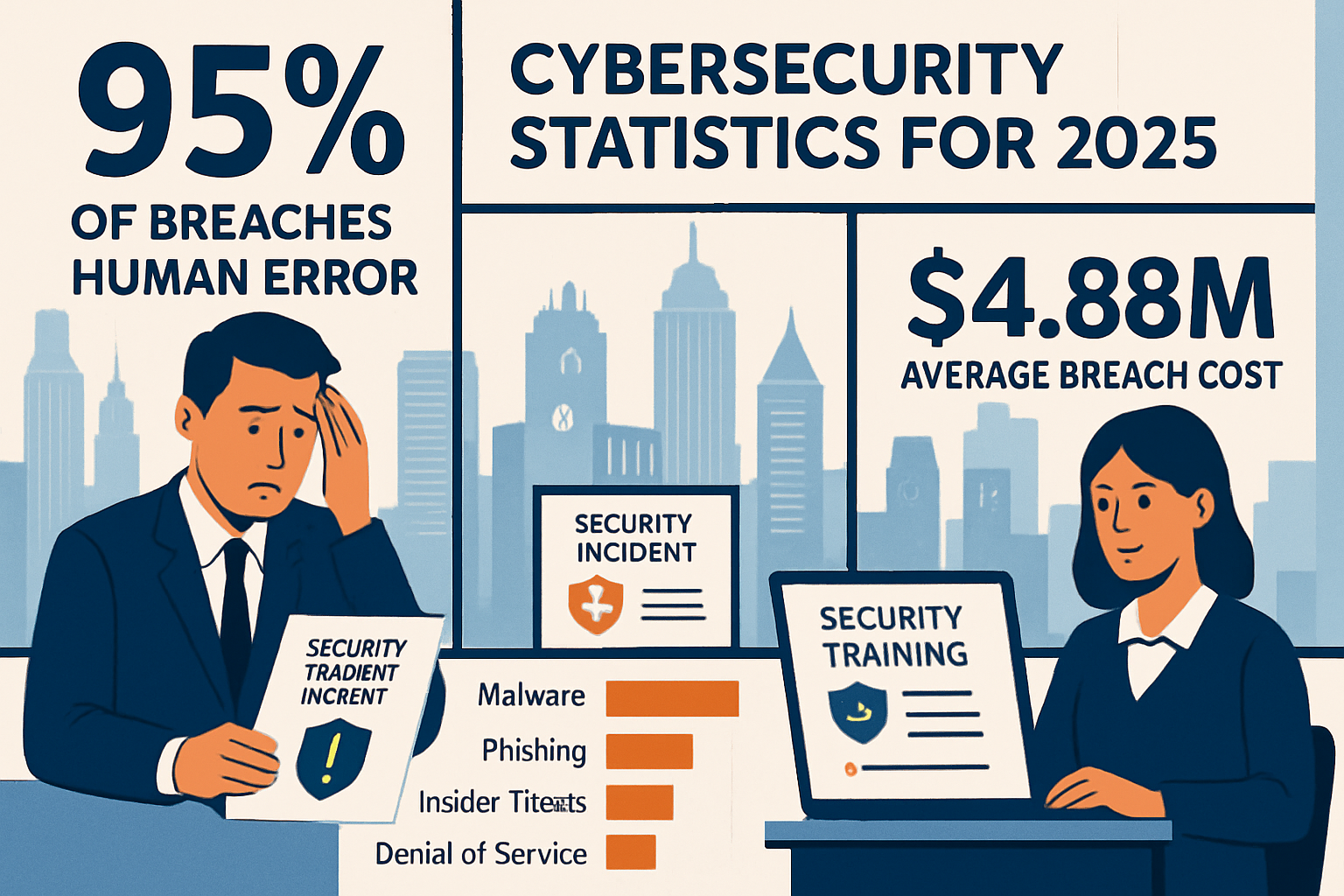
Let’s start with a statistic that keeps me up at night: 95% of successful cyberattacks occur because of human error. That’s not a typo. Despite all the firewalls, antivirus software, and sophisticated security tools we deploy, the vast majority of breaches still stem from human error.
I’ve seen this firsthand with clients across Metro Atlanta. Just last month, a successful CPA firm nearly lost everything when an employee received a “DocuSign” email that looked legitimate. The document appeared to be from a long-time client, complete with proper branding and familiar language. One click later, and we were dealing with a potential data breach that could have exposed hundreds of client tax returns.
Why employees become the weakest link:
• Sophisticated phishing attacks that are nearly impossible to distinguish from legitimate emails
• Social engineering tactics that exploit human psychology and trust
• Rushed decision-making in busy work environments
• Lack of awareness about current cyber threats and attack methods
• Overconfidence in their ability to spot suspicious activity
The financial impact is staggering. The average cost of a data breach in 2025 has reached $4.88 million, and for small to mid-sized businesses, even a “minor” incident can be devastating. I’ve watched companies struggle to recover not just financially, but also from the damage to their reputation and client trust.
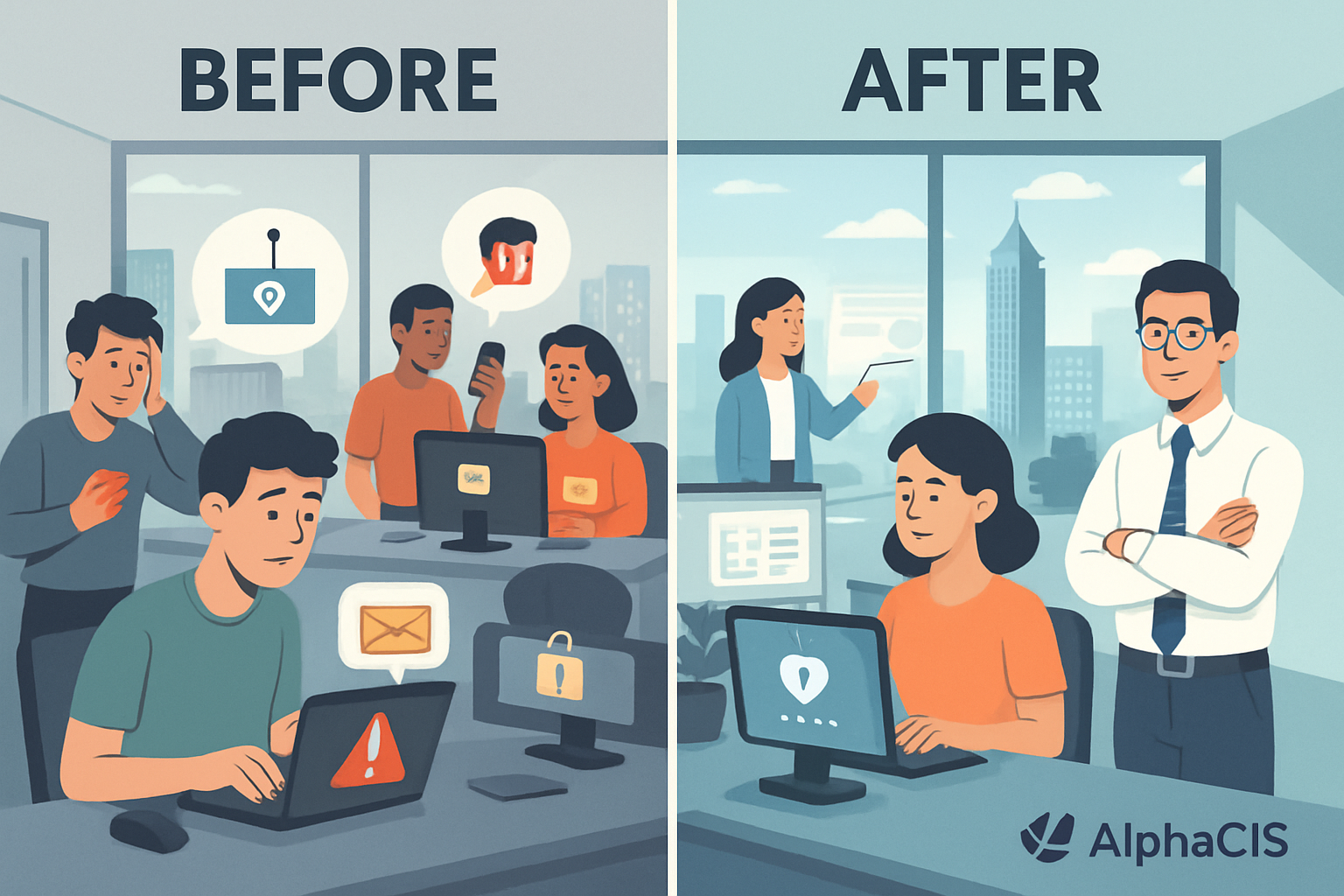
But here’s what gives me hope: the same human element that creates vulnerability can also become your strongest defense. When employees understand the risks and know how to respond, they transform from potential security gaps into an active security force.
Why Your Employees Are Your Biggest Cyber Risk And Your Best Defense: The Psychology Behind Cyber Attacks
Understanding why employees fall for cyber attacks isn’t about pointing fingers; it’s about recognizing the sophisticated psychology that cybercriminals use against us. These aren’t random attempts by amateur hackers. Today’s cybercriminals are professionals who study human behavior and exploit our natural tendencies.
The psychology of successful attacks:
Trust and Authority: Attackers impersonate trusted figures like CEOs, IT departments, or well-known vendors. When someone receives an email that appears to be from their boss asking for urgent wire transfer information, the natural response is to help, not question.
Urgency and Fear: “Your account will be suspended in 24 hours unless you verify your information immediately.” This creates panic that bypasses logical thinking. I’ve seen experienced professionals who would normally be skeptical make hasty decisions under artificial time pressure.
Curiosity and Reward: “You’ve won a prize!” or “See who viewed your LinkedIn profile” emails exploit our natural curiosity. Even security-conscious employees sometimes click before they think.
The good news? Once your team understands these tactics, they become incredibly effective at spotting them. It’s like learning a magic trick; once you know how it works, it’s hard to be fooled again.
Real-world example: One of our manufacturing clients implemented security awareness training after a close call with a “CEO fraud” email. Six months later, an employee received a sophisticated phishing attempt that mimicked their biggest supplier’s billing system. Instead of clicking, she forwarded it to IT with a note: “This feels like that fake invoice example from training.” That awareness saved the company from what could have been a six-figure loss.
When employees understand they’re not just protecting company data but also their own jobs, their colleagues’ livelihoods, and their clients’ trust, they become genuinely invested in cybersecurity. This personal connection is what transforms a security policy from a burden into a shared responsibility.
Building a Security-Conscious Culture: Making IT Part of Your Company DNA
Creating a security-conscious culture isn’t about scaring employees or making them paranoid about every email. It’s about building awareness, confidence, and shared responsibility that becomes as natural as locking the office door at night. When security becomes part of your company culture, your employees naturally become your biggest cyber risk and your best defense.
Start with leadership commitment: Security culture must come from the top. When business owners and managers take cybersecurity seriously, employees follow suit. This means leaders participating in training, following the same security protocols, and treating security as a business priority, not just an IT issue.
I worked with a dental practice where the owner initially resisted security training, saying his team was “too busy with patients.” After we explained that a ransomware attack could shut down their practice for weeks, he not only joined the training but made it part of their monthly team meetings. The change in employee attitude was immediate and dramatic.
Make security training engaging and relevant: Generic security training that feels disconnected from daily work is quickly forgotten. Effective training uses real examples from your industry and shows employees exactly what threats look like in their environment.
Key elements of effective security awareness programs:
• Industry-specific scenarios that employees actually encounter
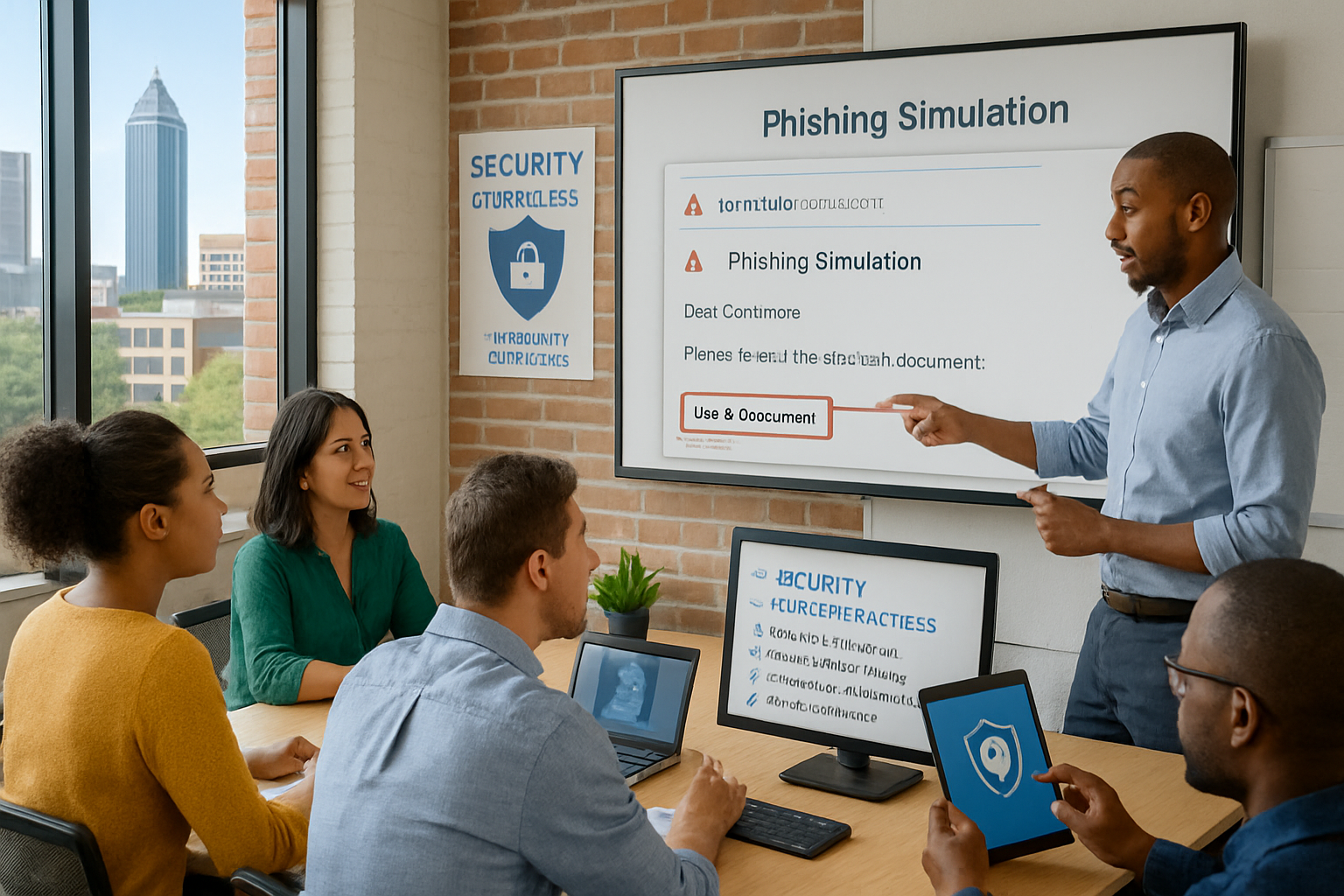
• Regular phishing simulations that test knowledge without punishment
• Positive reinforcement for good security decisions
• Clear reporting procedures when something seems suspicious
• Regular updates about new threats and attack methods
Create psychological safety: Employees need to feel safe reporting potential security incidents without fear of blame or punishment. The goal is learning and improvement, not finger-pointing. When someone clicks on a suspicious link, that’s a learning opportunity, not a disciplinary issue.
One of our clients implemented a “security champion” program where employees who spot and report phishing attempts get recognition in company meetings. This positive approach has created healthy competition around security awareness, and their phishing simulation failure rate dropped from 23% to under 5% in six months.
Regular reinforcement and updates: Cyber threats evolve constantly, and so should your security awareness. Monthly security tips, quarterly training updates, and immediate alerts about new threats keep security top-of-mind without overwhelming employees.
The result is a team that doesn’t just follow security rules but understands why they matter and actively looks for ways to protect the business. That’s when your employees truly become your best defense.
Practical Steps: Phishing Simulations and Security Awareness Training
Now let’s get into the practical tools that transform security awareness from theory into action. Phishing simulations and security awareness training are your most powerful weapons for turning employees from potential vulnerabilities into active defenders.
Phishing simulations: Safe practice for real threats
Think of phishing simulations like fire drills for cybersecurity. They create realistic scenarios where employees can practice identifying threats without the risk of actual damage. Here’s how they work:
Realistic test emails are sent to employees that mimic current phishing tactics. These might include fake invoices, urgent IT requests, or social media notifications. When someone clicks, instead of installing malware, they’re redirected to educational content explaining what made the email suspicious.
The key is making simulations educational, not punitive. The goal isn’t to “catch” employees making mistakes, it’s to help them recognize patterns and build confidence in their ability to spot threats.
Best practices for phishing simulations:
• Start easy and gradually increase difficulty as awareness improves
• Use templates that match real threats your industry faces
• Provide immediate feedback when someone clicks, explaining the warning signs
• Track progress over time to measure improvement
• Celebrate successes when employees correctly identify and report simulated phishing
One automotive dealership we work with saw its phishing click rate drop from 31% to 8% over six months of regular simulations. More importantly, employees started proactively reporting suspicious emails they received, including several real phishing attempts that could have caused serious damage.
Comprehensive security awareness training
Effective security awareness training goes beyond just email threats. It covers the full spectrum of security risks employees face:
Password security: Teaching strong password creation, the importance of unique passwords for each account, and proper use of password managers.
Social engineering awareness: Helping employees recognize phone calls, in-person visits, or social media contacts that might be attempts to gather sensitive information.
Physical security: Securing workstations, properly disposing of sensitive documents, and being aware of who has access to work areas.
Mobile device safety: Since many employees use personal devices for work, training covers secure app downloads, public Wi-Fi risks, and proper device management.
Incident reporting: Clear procedures for what to do when something seems wrong, including who to contact and how quickly to respond.
Making training stick: The most effective programs use micro-learning, short, focused sessions that employees can complete without disrupting their work. Regular reinforcement through email tips, posters, and brief team meeting discussions keeps security awareness active.
We’ve found that businesses with comprehensive, ongoing security awareness programs experience 70% fewer successful phishing attempts and report security incidents 3x faster when they do occur. That speed of reporting often makes the difference between a minor inconvenience and a major breach.
The investment in employee education pays for itself many times over through prevented incidents, reduced downtime, and the peace of mind that comes from knowing your team is actively protecting your business.
The ROI of Employee Security Training: Your Investment in Peace of Mind
When I talk to business owners about investing in employee security training, the first question is usually about cost. Let me flip that conversation: what’s the cost of not training your employees? The numbers tell a compelling story about why security awareness training isn’t just smart, it’s essential for business survival.
The true cost of cyber attacks for small to mid-sized businesses:
The average cost of a data breach has reached $4.88 million in 2025, but that’s just the beginning. For smaller businesses, the impact is often more severe because they have fewer resources to recover. Consider these hidden costs:
Immediate financial impact: Ransom payments (if you choose to pay), emergency IT services, legal fees, and regulatory fines can easily reach six figures even for smaller incidents.
Business disruption: The average downtime from a ransomware attack is 22 days. Imagine your business is completely shut down for three weeks. For many companies, this alone could be fatal.
Customer trust and reputation damage: Once clients know their data was compromised, rebuilding trust takes years. Studies show that 60% of small businesses close within six months of a major cyber attack.
Regulatory compliance issues: Healthcare practices, accounting firms, and other businesses handling sensitive data face additional penalties and compliance costs that can extend for years.
Compare this to the investment in security training:
A comprehensive security awareness program typically costs $50-150 per employee per year. For a 20-person company, that’s roughly $2,000-3,000 annually. Even if training prevents just one minor incident, the ROI is enormous.
Real-world success stories from Metro Atlanta:
One of our manufacturing clients invested $4,500 in comprehensive security training after a near-miss with CEO fraud. Six months later, an employee spotted and reported a sophisticated phishing attempt that our forensic analysis showed would have resulted in approximately $180,000 in fraudulent wire transfers. That’s a 4,000% return on investment from a single prevented incident.
A dental practice we work with implemented monthly security training costing $1,200 annually. In the first year, employees reported and helped block seven different phishing attempts, including one ransomware attack that could have shut down their practice during their busiest season.
The peace of mind factor:
Beyond the measurable financial returns, there’s something invaluable about knowing your team is actively protecting your business. When employees understand cybersecurity and feel confident in their ability to spot threats, it creates a culture of shared responsibility that extends far beyond IT.
Business owners tell me they sleep better knowing their employees are their allies in cybersecurity, not just potential vulnerabilities. That peace of mind—knowing you have a reliable partner in your own team—is worth the investment alone.
Making the business case:
When you frame security training as insurance rather than an expense, the decision becomes clear. You wouldn’t operate without general liability insurance, and in 2025, cybersecurity training is just as essential for protecting your business.
The question isn’t whether you can afford to train your employees, it’s whether you can afford not to. With cyber attacks becoming more frequent and sophisticated, the businesses that survive and thrive will be those that recognize their employees are their biggest cyber risk and their best defense.
How AlphaCIS Helps Metro Atlanta Businesses Transform Their Security Culture
At AlphaCIS, we’ve spent years helping Metro Atlanta businesses understand that cybersecurity isn’t just about technology, it’s about people. We’ve seen too many companies invest heavily in firewalls and antivirus software while leaving their biggest vulnerability unaddressed: their employees. That’s why our approach focuses on transforming your team from potential security risks into your strongest defense.
Our comprehensive security awareness approach:
We don’t believe in one-size-fits-all security training. A CPA firm faces different threats than an automotive dealership, and a healthcare practice has different compliance requirements than a manufacturing company. Our programs are tailored to your industry, your specific risks, and your team’s current knowledge level.
Industry-specific training programs: We develop scenarios that your employees actually encounter. For accounting firms, we focus on tax season phishing scams and fake client communications. For healthcare practices, we emphasize HIPAA compliance and medical-themed social engineering attacks. This relevance makes training more engaging and more effective.
Ongoing phishing simulations: Our simulations aren’t designed to embarrass employees; they’re educational tools that build confidence over time. We start with easier examples and gradually increase sophistication as your team’s awareness improves. When someone clicks on a simulation, they immediately receive educational content explaining what to look for next time.
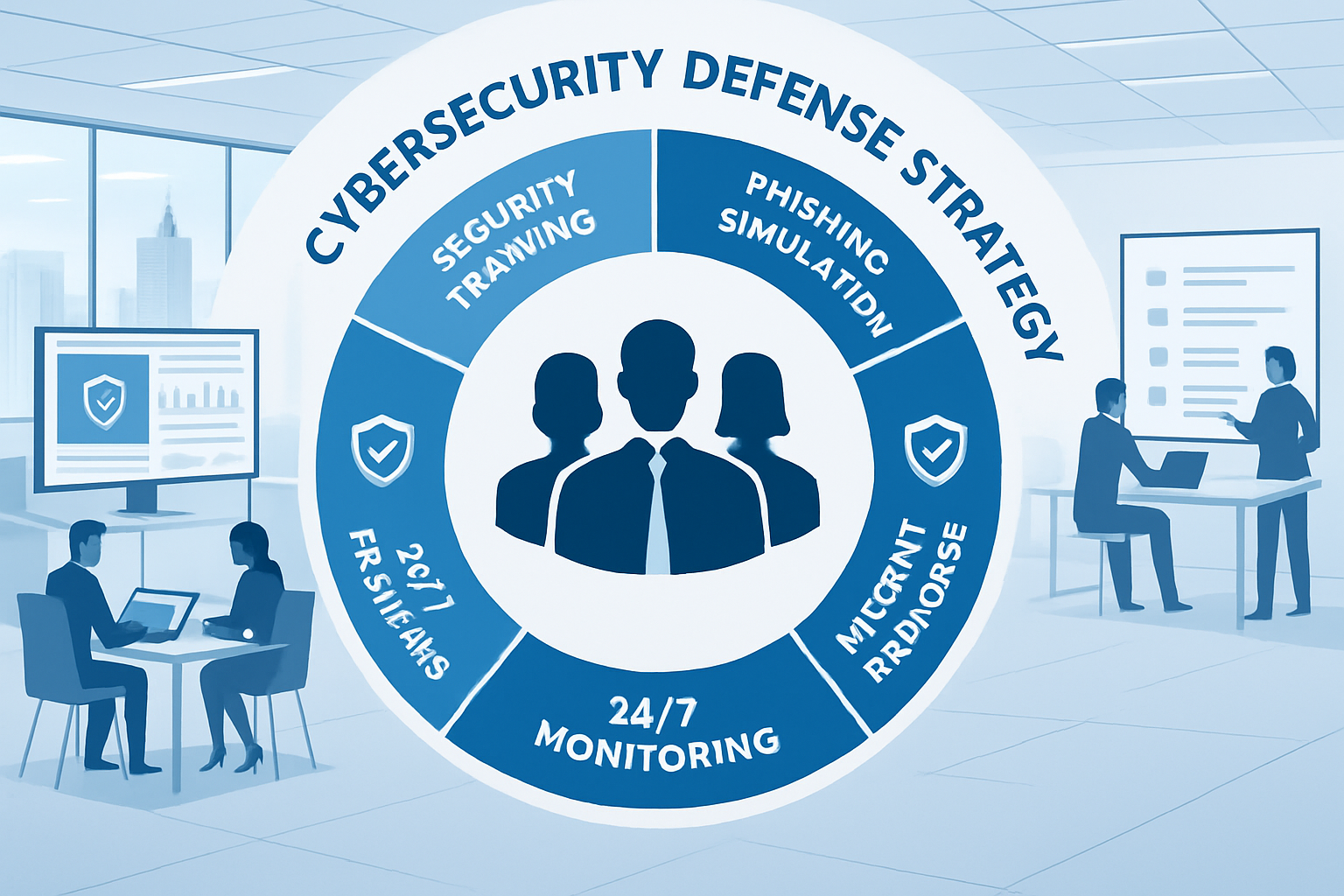
24/7 monitoring and support: While we’re building your human firewall, we’re also providing the technical backbone with continuous monitoring of your systems. This combination of human awareness and technical protection creates multiple layers of defense.
Real results from real clients:
A local CPA firm came to us after receiving several suspicious emails during tax season. Within three months of implementing our security awareness program, their employees had identified and reported 12 different phishing attempts, including two that specifically targeted tax professionals with fake IRS communications.
An automotive dealership saw its security incident reports increase by 300% in the first six months, not because they were under more attack, but because employees were finally recognizing and reporting suspicious activity they previously would have ignored or handled incorrectly.
The AlphaCIS difference:
Local expertise with personal service: We understand the Metro Atlanta business environment and the specific challenges facing companies in our area. When you call us, you talk to someone who knows your business and your industry.
Proactive solutions, not reactive fixes: Instead of waiting for problems to occur, we help you prevent them. Our security awareness training is part of a comprehensive approach that includes regular system updates, patch management, and continuous monitoring.
Straightforward pricing with no surprises: We believe in transparent, predictable pricing that lets you budget for security as an operational expense, not an emergency cost.
Same-day support when you need it: If a security incident does occur, we’re here with immediate response and support to minimize damage and get you back to business quickly.
Building long-term partnerships: We’re not just your IT vendor, we’re your technology partner. We take the time to understand your business goals and help you use technology, including security awareness, to achieve them.
The goal is simple: give you the peace of mind that comes from knowing your employees are actively protecting your business every day. When your team understands cybersecurity and feels confident in their ability to spot and respond to threats, you can focus on what you do best—running and growing your business.
Conclusion: Turning Your Team Into Your Strongest Security Asset
The reality of cybersecurity in 2025 is both sobering and empowering. Yes, your employees are your biggest cyber risk—95% of successful attacks still result from human error. But here’s the flip side that gives me hope every day: your employees are also your best defense when they’re properly trained and engaged.
Think about it this way: cybercriminals are counting on your employees to make mistakes. They’re investing significant time and resources into creating sophisticated attacks that exploit human psychology. But when your team knows what to look for and feels confident in their ability to spot threats, you’ve turned the tables. Suddenly, your employees become an active security force that can identify and stop attacks before they cause damage.
The key takeaways for Metro Atlanta business owners:
Security awareness isn’t a one-time training; it’s an ongoing culture shift that transforms how your team thinks about cybersecurity. When employees understand they’re protecting not just company data but their own jobs and their colleagues’ livelihoods, they become genuinely invested in security.
The investment in employee training pays for itself many times over through prevented incidents, faster threat detection, and the peace of mind that comes from knowing your team is actively protecting your business.
You don’t have to navigate this alone. Working with a reliable partner who understands your industry and provides ongoing support makes the difference between a security program that works and one that becomes another forgotten policy manual.
Your next steps:
Start with an honest assessment of your current security awareness. When was the last time your employees received cybersecurity training? Do they know how to spot phishing emails? Would they feel comfortable reporting a suspicious email without fear of being wrong?
Consider implementing regular phishing simulations and security awareness training tailored to your industry. The goal isn’t to catch employees making mistakes, it’s to build their confidence and skills over time.
Most importantly, remember that cybersecurity is a team effort. When you invest in your employees’ security awareness, you’re not just protecting your business; you’re empowering your team to be part of the solution.
Ready to transform your employees from your biggest cyber risk into your best defense? The threats aren’t going away, but with the right approach, your team can become your strongest asset in the fight against cybercrime. Let’s work together to build that security-conscious culture that gives you the peace of mind you deserve.
Your business is too important to leave cybersecurity to chance. When your employees understand their role in protecting the company, everyone wins, and that’s the kind of reliable partnership that builds lasting success.