

The Compliance Landscape Has Changed – Are You Ready?
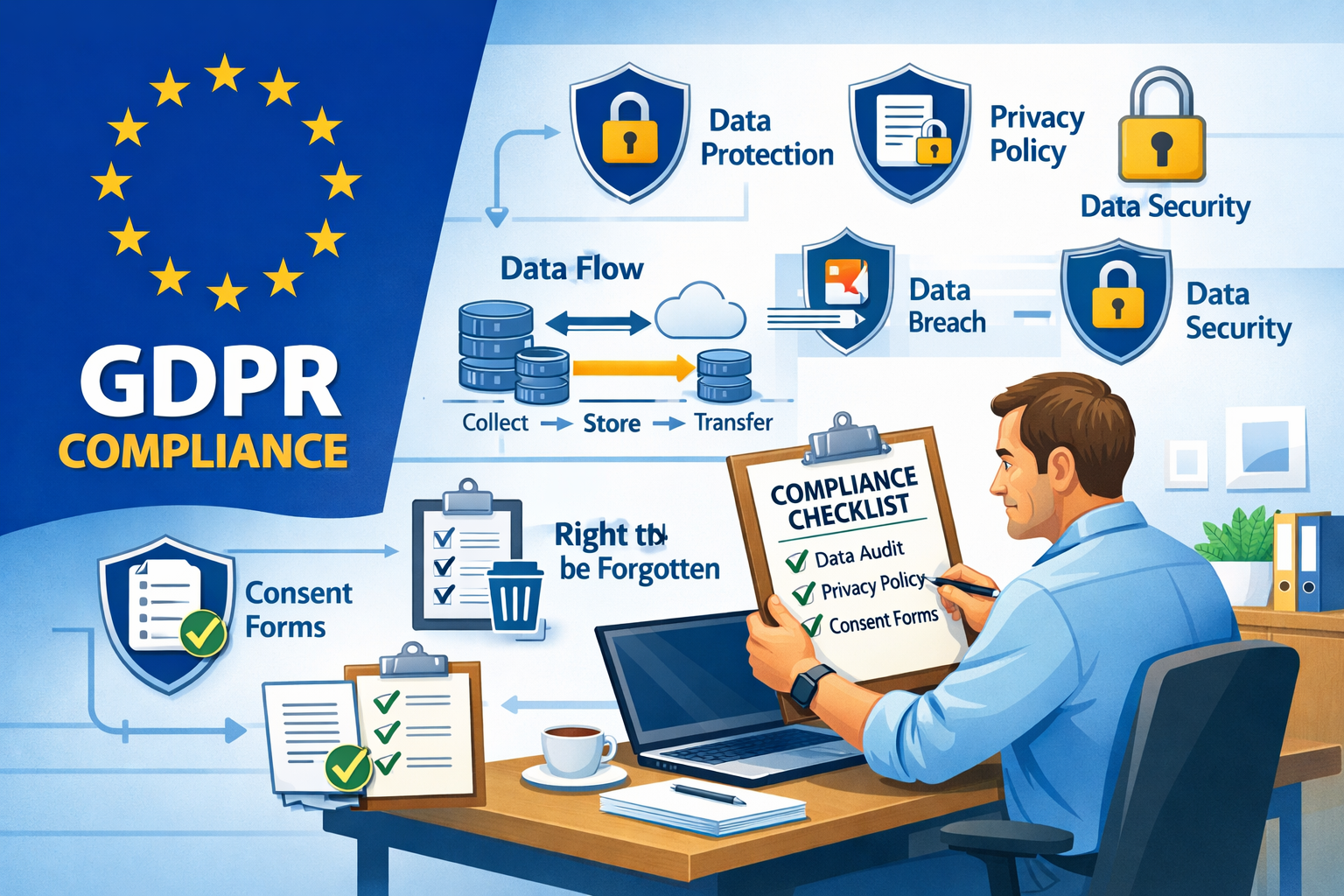
Here’s a reality check: 73% of small businesses are unaware they’re subject to regulations beyond HIPAA and PCI compliance. If your company processes European customer data, works with defense contractors, or operates across state lines, you’re likely facing compliance requirements that didn’t exist five years ago. The cost of getting this wrong? Fines can reach millions of dollars, even for small businesses.
Understanding compliance beyond HIPAA and PCI: what SMBs need to know about emerging regulations (GDPR, CMMC impact on small business) isn’t just about avoiding penalties; it’s about building a foundation of trust with customers and partners that can actually drive business growth.
Key Takeaways
• GDPR applies to US businesses that process EU resident data, regardless of company size or location
• CMMC certification is becoming mandatory for defense contractors and their supply chain partners
• State privacy laws like California’s CCPA are creating a patchwork of compliance requirements across the US
• Proactive compliance strategies can reduce costs and complexity while providing competitive advantages
• The right IT partner can automate much of the compliance burden, giving you peace of mind to focus on growth
Challenge 1: GDPR Isn’t Just for European Companies
What’s Happening
Many Metro Atlanta businesses assume GDPR only affects European companies. That’s a costly misconception. If your business has a website that collects email addresses, sells products online, or provides services to anyone who might be in the EU, you’re subject to GDPR requirements.
I recently worked with a local accounting firm that discovered they were processing data from several clients with European operations. They had no idea they needed GDPR compliance until a client specifically asked about their data protection measures.
Why It Matters
GDPR fines can reach 4% of annual revenue or €20 million, whichever is higher. For a $2 million revenue business, that could mean an $80,000 fine. But beyond financial penalties, GDPR non-compliance can damage client relationships and limit business opportunities with international partners.
What to Do About It
Start with a data audit. Document what personal data you collect, how you store it, and who has access. Key GDPR requirements for SMBs include:
• Explicit consent for data collection
• Right to be forgotten – ability to delete customer data upon request
• Data breach notification within 72 hours
• Privacy by design in all systems and processes
• Data Protection Officer (required for certain business types)
The good news? Many GDPR practices align with general cybersecurity best practices. Implementing proper data encryption, access controls, and backup procedures serves dual purposes – compliance and security.
Challenge 2: CMMC is Reshaping Defense Contractor Requirements
What’s Happening
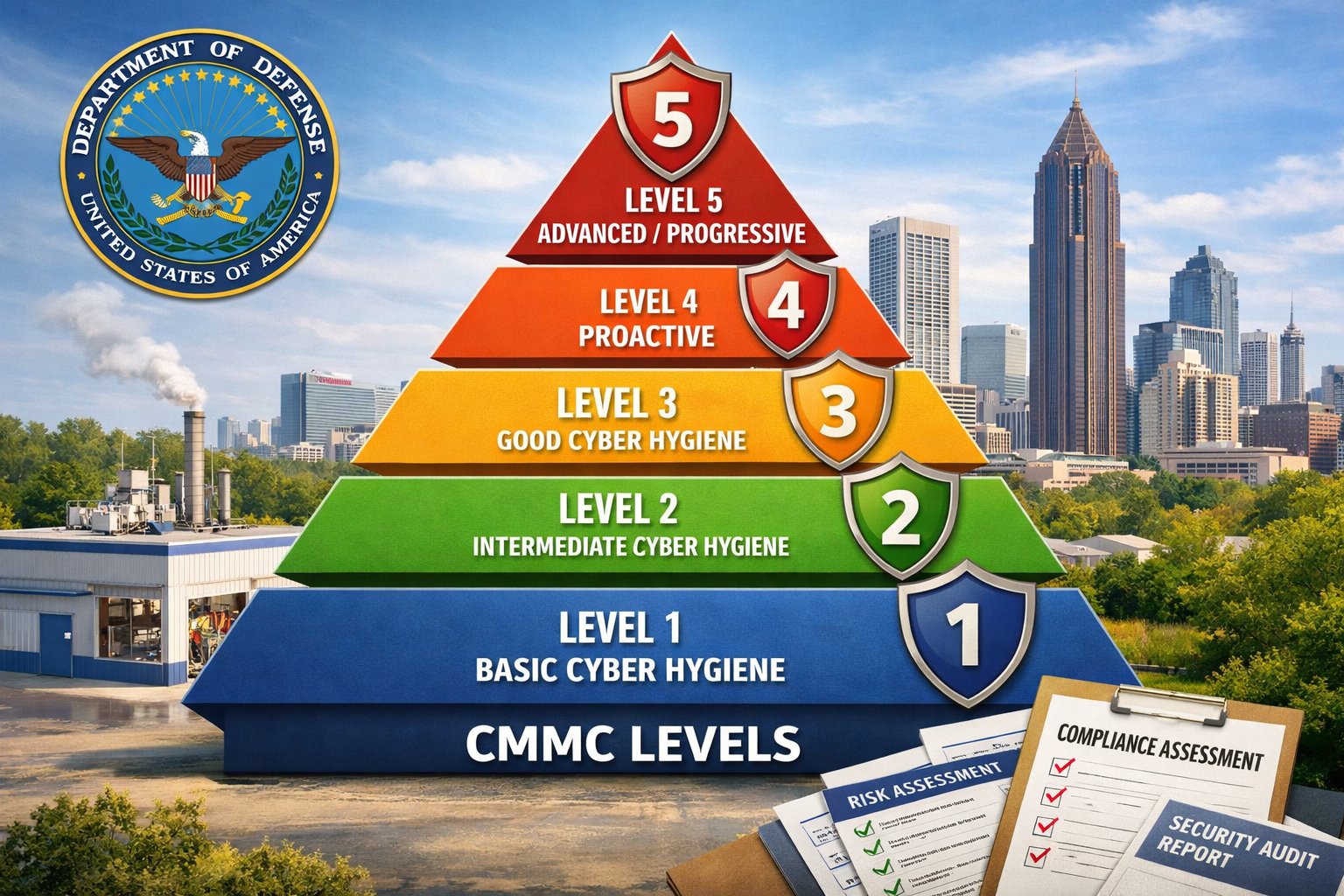
The Cybersecurity Maturity Model Certification (CMMC) is revolutionizing how the Department of Defense works with contractors. By 2026, all DoD contracts will require CMMC certification, and this requirement flows down through the entire supply chain.
If you’re a small manufacturer making components for a defense contractor, or a software company providing services to government agencies, CMMC affects you directly. Even businesses that seem far removed from defense work often discover they’re part of the supply chain.
Why It Matters
Without CMMC certification, you cannot bid on or maintain DoD contracts. This isn’t just about current contracts; it affects future opportunities. Many businesses don’t realize they’re part of the defense supply chain until they lose a major client due to CMMC requirements.
CMMC has five maturity levels, but most small businesses need Level 1 (basic cyber hygiene) or Level 3 (good cyber hygiene). The certification process involves:
• Technical implementation of required security controls
• Documentation of policies and procedures
• Third-party assessment by certified CMMC assessors
• Annual recertification to maintain status
What to Do About It
Start by determining your CMMC level requirement. Level 1 covers basic protections like antivirus software and regular updates. Level 3 requires more sophisticated controls including:
• Multi-factor authentication for all users
• Network segmentation to protect sensitive data
• Incident response planning and testing
• Security awareness training for all employees
• Regular security assessments and vulnerability scanning
The key is building these capabilities gradually rather than trying to implement everything at once. A reliable partner with industry expertise can help you prioritize implementations and avoid costly mistakes.
Challenge 3: State Privacy Laws Are Creating a Complex Patchwork
What’s Happening
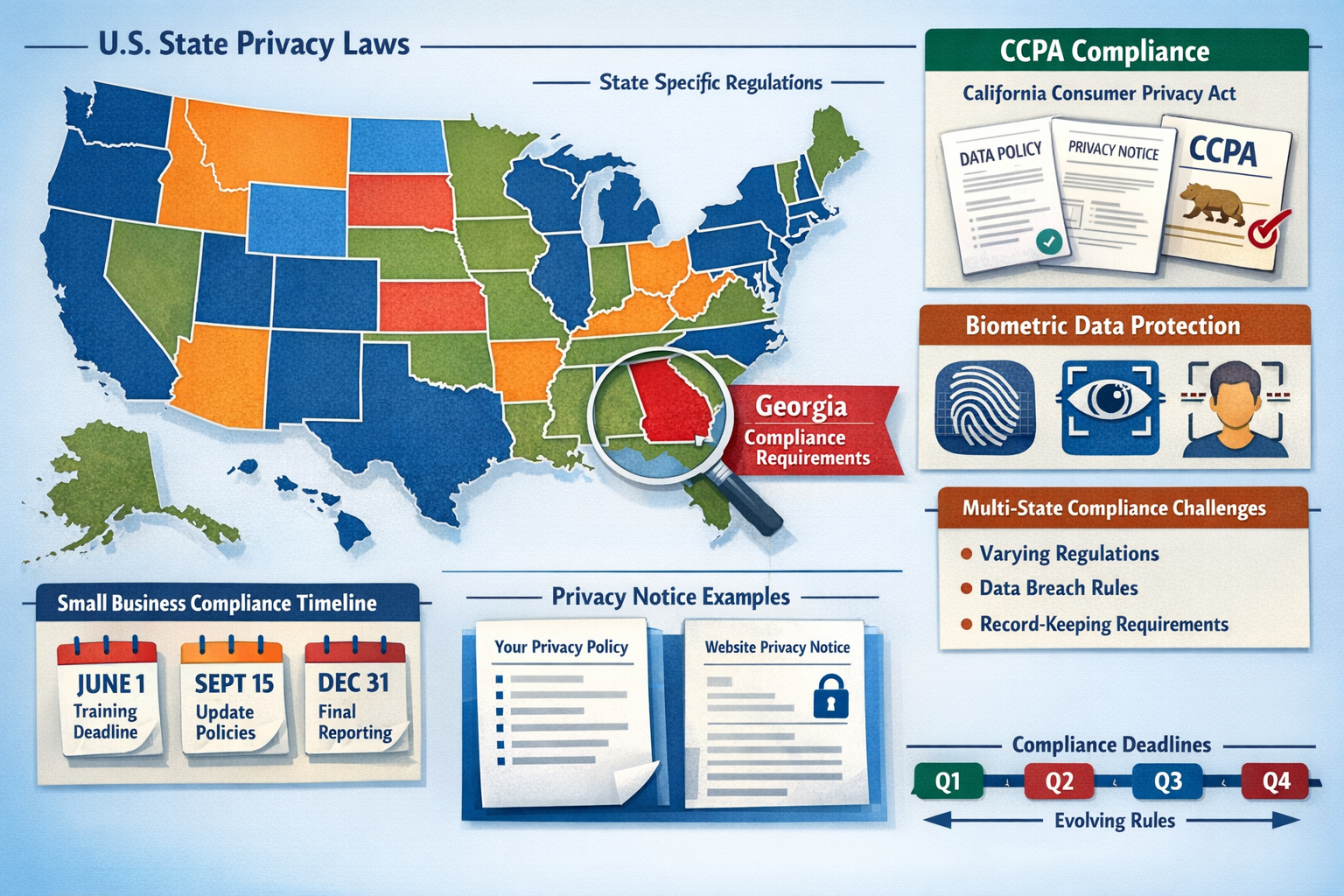
California’s Consumer Privacy Act (CCPA) was just the beginning. States across the country are implementing their own privacy regulations, creating a complex web of requirements for businesses operating in multiple states.
Virginia, Colorado, Connecticut, and Utah have already passed comprehensive privacy laws, with more states following suit. Each has slightly different requirements for data collection, consent, and consumer rights.
Why It Matters
Unlike federal regulations, state privacy laws vary significantly in their requirements and enforcement mechanisms. A business operating in multiple states might need to comply with different notification requirements, consent mechanisms, and data retention policies for each jurisdiction.
The penalties are real and growing. California’s CCPA can result in fines up to $7,500 per violation, and when you’re dealing with customer databases, violations can multiply quickly.
What to Do About It
Implement a privacy-first approach that meets the highest standard among states where you operate. Key elements include:
• Clear privacy notices explaining data collection and use
• Opt-out mechanisms for data sales and targeted advertising
• Consumer rights processes for data access, deletion, and correction requests
• Vendor management ensuring third parties meet your privacy standards
• Regular compliance audits to identify and address gaps
Consider adopting California’s standard as your baseline since it’s among the most comprehensive. This approach provides consistency and reduces the complexity of managing multiple state requirements.
Ready to Simplify Your Compliance Strategy?
Don’t let compliance complexity slow down your business growth. Our team specializes in helping Metro Atlanta businesses navigate emerging regulations while maintaining operational efficiency.
[Schedule a Free Compliance Assessment] – We’ll review your current setup and provide a clear roadmap for meeting all applicable requirements.
Building a Sustainable Compliance Framework
The Integration Challenge
The biggest mistake I see businesses make is treating each compliance requirement as a separate project. GDPR, CMMC, state privacy laws, and traditional requirements like HIPAA and PCI all share common elements. Smart businesses build integrated compliance frameworks that address multiple requirements simultaneously.
For example, implementing proper data encryption serves GDPR, CMMC, PCI, and HIPAA requirements. Multi-factor authentication supports CMMC and general cybersecurity best practices. Documentation and audit trails benefit virtually every compliance framework.
Real-World Success Story
One of our manufacturing clients discovered they needed CMMC Level 3 certification to maintain their largest contract. Initially, they saw this as a burden and expense. However, by implementing an integrated approach, they achieved:
• CMMC Level 3 certification within six months
• Improved cybersecurity posture that prevented two attempted ransomware attacks
• Competitive advantage in bidding for new defense contracts
• Streamlined operations through better documentation and processes
The key was viewing compliance as a business enabler rather than just a cost center.
Technology Solutions That Scale
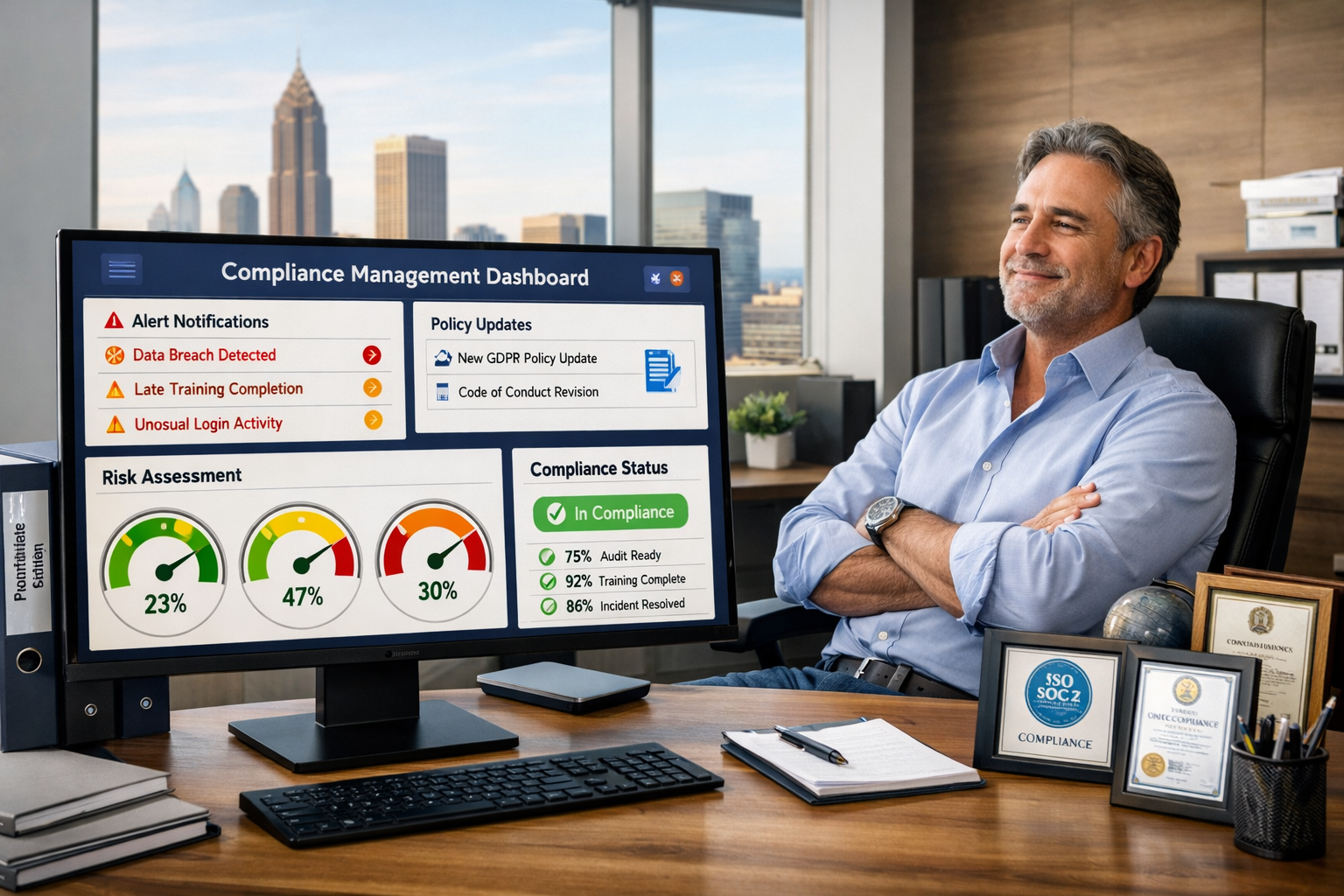
Modern compliance doesn’t require massive IT investments. Cloud-based solutions can provide enterprise-level security and compliance capabilities at small business prices. Key technologies include:
Automated Monitoring and Reporting
• 24/7 monitoring for security incidents and compliance violations
• Automated reporting for audit requirements
• Real-time alerts for potential issues
Centralized Data Management
• Unified data governance across all systems
• Automated data retention and deletion policies
• Comprehensive audit trails for all data access
Integrated Security Controls
• Multi-factor authentication across all systems
• Encryption for data at rest and in transit
• Network segmentation and access controls
The goal is creating a system that maintains compliance automatically, reducing the ongoing burden on your team.
Common Compliance Myths That Cost Money
Myth 1: “We’re Too Small to Be Targeted”
Truth: Regulators don’t care about company size when it comes to compliance violations. Small businesses often face proportionally larger penalties because they lack the resources to mount effective legal defenses.
Myth 2: “Compliance is Just About Avoiding Fines”
Truth: Proper compliance creates competitive advantages. Certified businesses can bid on contracts that others cannot. Customers increasingly prefer vendors who can demonstrate strong data protection practices.
Myth 3: “We Can Handle This Internally”
Truth: Compliance expertise is specialized and constantly evolving. The cost of hiring full-time compliance staff usually exceeds the cost of working with experienced partners who stay current on changing requirements.
Myth 4: “Once We’re Compliant, We’re Done”
Truth: Compliance is an ongoing process. Regulations change, new threats emerge, and business operations evolve. Successful compliance requires continuous monitoring and adaptation.
The Cost of Inaction vs. Proactive Compliance
Let’s talk numbers. The average cost of a data breach for small businesses is $2.98 million. Regulatory fines can add millions more. Compare that to the cost of proactive compliance:
| Reactive Approach | Proactive Approach |
|---|---|
| Emergency compliance projects | Planned implementation |
| Higher consulting costs | Negotiated partnership rates |
| Business disruption | Minimal operational impact |
| Potential fines and penalties | Compliance confidence |
| Limited contract opportunities | Expanded market access |
| Customer trust issues | Competitive differentiation |
The math is clear: proactive compliance costs less and delivers better outcomes than reactive scrambling after problems arise.
Your Compliance Roadmap for 2026
Phase 1: Assessment and Planning (Month 1-2)
• Complete comprehensive compliance audit
• Identify all applicable regulations
• Prioritize requirements by risk and timeline
• Develop integrated compliance strategy
Phase 2: Foundation Building (Month 3-6)
• Implement core security controls
• Establish data governance framework
• Create documentation and policy structure
• Begin staff training programs
Phase 3: Certification and Optimization (Month 7-12)
• Pursue required certifications (CMMC, etc.)
• Conduct third-party assessments
• Optimize processes based on real-world experience
• Establish ongoing monitoring and maintenance
Phase 4: Continuous Improvement (Ongoing)
• Regular compliance reviews and updates
• Stay current on regulatory changes
• Expand capabilities as business grows
• Leverage compliance for competitive advantage
The key is starting with a solid foundation and building systematically rather than trying to achieve everything at once.