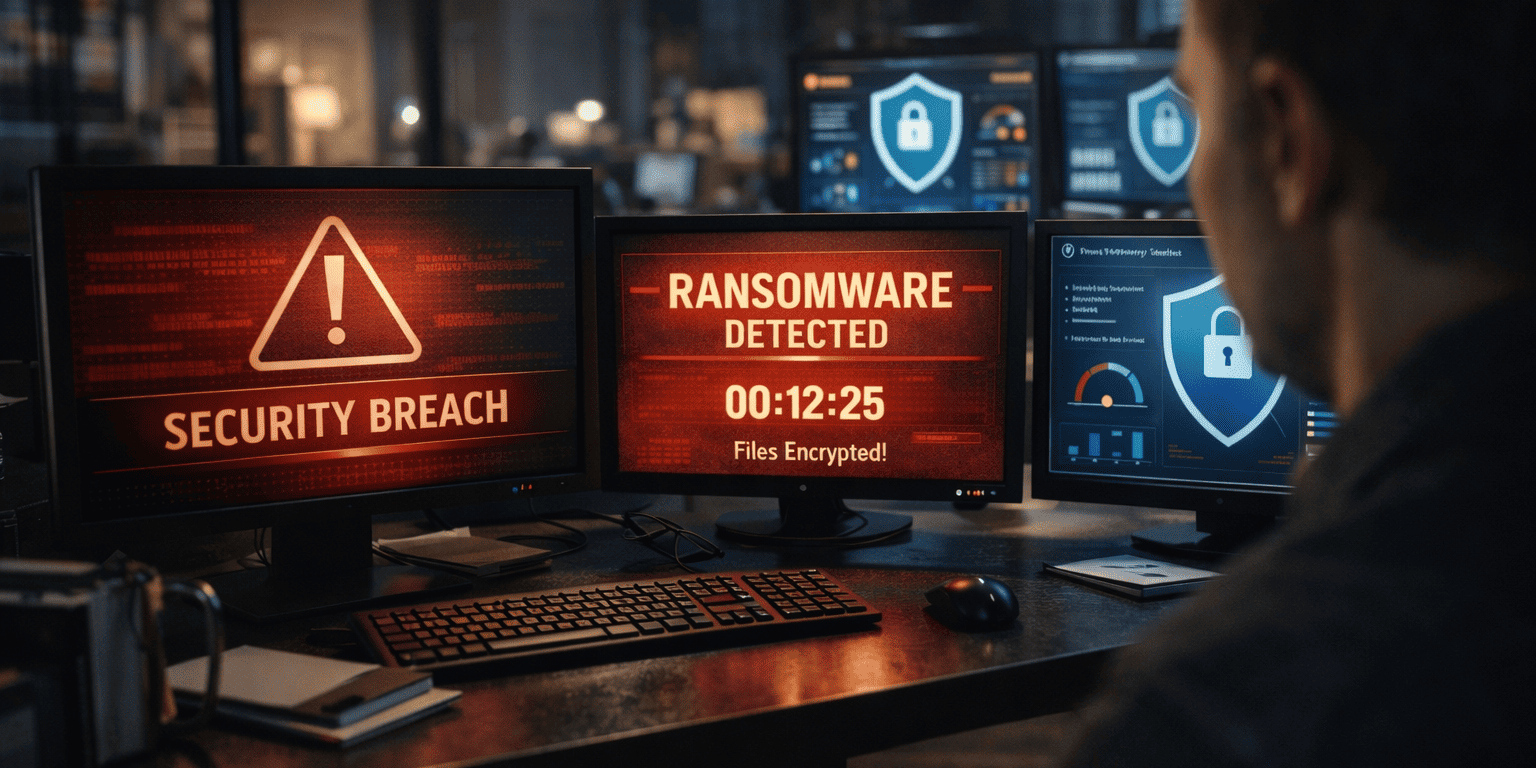

The Shocking Reality: What One Hour Actually Costs Your Business
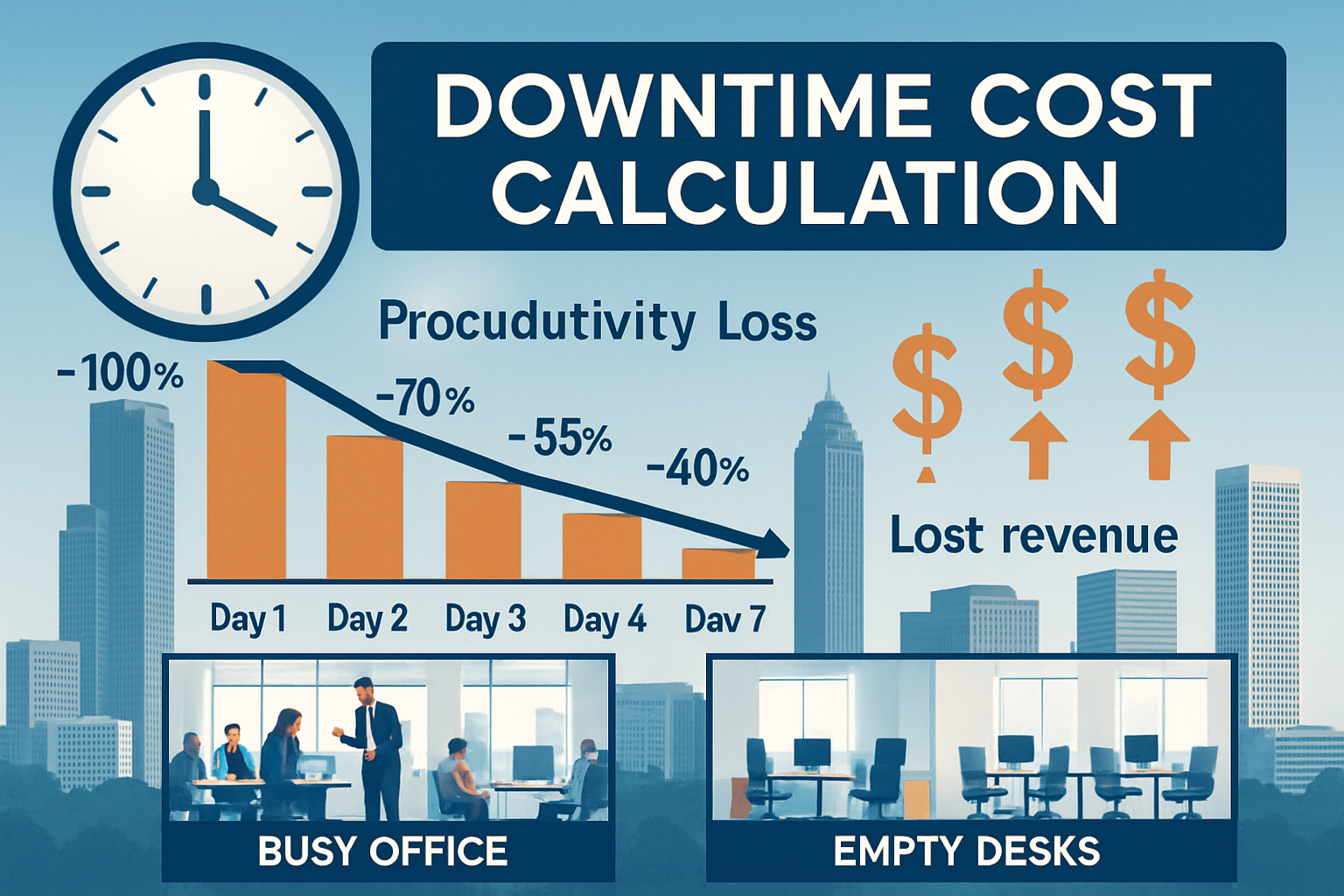
Let me tell you about Sarah, a marketing agency owner in Buckhead. Last month, her office experienced what seemed like a routine internet outage during a crucial client presentation to a Fortune 500 company. The presentation was being delivered via video conference to executives across three time zones.
When the connection failed, Sarah’s team scrambled to use mobile hotspots, but the damage was done. The client, already skeptical about working with a smaller agency, interpreted the technical difficulties as a sign of unprofessionalism. They awarded the $250,000 annual contract to a competitor that same afternoon.
But here’s where The True Cost of Downtime: How One Hour Offline Could Wipe Out a Week of Productivity really hits home. Sarah’s story didn’t end with that lost deal. The ripple effects included:
Immediate Financial Impact
According to 2025 industry data from the Ponemon Institute, the average cost of downtime has reached $8,600 per hour for small to medium businesses. This breaks down into several categories:
- Lost productivity: $3,200 per hour
- Employee wages during downtime: $1,800 per hour
- Lost sales opportunities: $2,400 per hour
- Recovery and troubleshooting costs: $1,200 per hour
The Hidden Multiplier Effect
What most business owners don’t realize is that the initial hour of downtime creates a cascading series of problems that extend far beyond the outage itself. Research from Aberdeen Group shows that 67% of businesses experience productivity impacts lasting 3-7 days after a single hour of downtime.
Here’s why: When systems go down, work doesn’t just pause – it gets disrupted. Employees lose their flow state, projects get derailed, and the momentum you’ve built throughout the week evaporates. Getting back to full productivity isn’t like flipping a switch; it’s like trying to restart a complex machine where every gear needs to sync up again.
The Anatomy of a Productivity Collapse: Understanding the True Cost of Downtime
When I analyze The True Cost of Downtime: How One Hour Offline Could Wipe Out a Week of Productivity, I always start by examining what happens in those first critical minutes. Most business owners focus on the obvious costs – lost sales, employee wages, and recovery expenses. But the real damage runs much deeper.
The Immediate Chaos (Minutes 1-15)
The moment your systems fail, several things happen simultaneously:
Panic Mode Activation: Your team shifts from productive work to crisis management. Instead of serving customers or developing products, everyone becomes an amateur IT technician.
Communication Breakdown: Phone systems, email, and collaboration tools often depend on the same infrastructure. When one fails, internal communication collapses.
Deadline Pressure: Every minute offline pushes you closer to missing critical deadlines, creating a pressure cooker environment.
The Ripple Effect (Hours 1-24)
Here’s where most business owners underestimate the true impact. Even after systems come back online, the damage continues:
- Context Switching Penalty: Studies show it takes an average of 23 minutes for employees to fully refocus after an interruption
- Data Recovery Time: Employees spend hours recreating lost work or figuring out where they left off
- Customer Service Backlog: Missed calls, delayed responses, and frustrated clients create a customer service nightmare
The Extended Recovery (Days 2-7)
This is the hidden killer that makes The True Cost of Downtime: How One Hour Offline Could Wipe Out a Week of Productivity so accurate. Research from the University of California, Irvine shows that major interruptions can impact productivity for up to a week because:
- Project Momentum Loss: Complex projects lose their rhythm and require significant time to rebuild momentum
- Team Coordination Delays: When collaborative work gets disrupted, getting everyone back in sync takes days
- Confidence Erosion: Teams become hesitant to rely on systems, leading to inefficient workarounds
The Hidden Costs That Destroy Metro Atlanta Businesses
Living and working in Metro Atlanta, I’ve seen unique challenges that amplify The True Cost of Downtime: How One Hour Offline Could Wipe Out a Week of Productivity. Our region faces specific vulnerabilities that many business owners don’t fully appreciate.
Weather-Related Vulnerabilities
Atlanta’s severe weather patterns create perfect storms for IT disasters. Last summer, I worked with a Marietta-based logistics company that lost $47,000 in a single afternoon when thunderstorms knocked out their tracking systems during peak shipping season.
The company couldn’t:
- Track 200+ packages in transit
- Communicate delivery updates to customers
- Process new orders for 6 hours
- Access their customer database for 3 days due to server damage
Infrastructure Aging Issues
Many Metro Atlanta business districts still rely on aging telecommunications infrastructure. Areas like downtown Decatur and parts of Sandy Springs experience higher downtime rates due to outdated fiber networks and overcrowded bandwidth.
The Talent Drain Effect
When downtime hits, your best employees start questioning whether they want to work for a company that can’t keep its systems running. In Atlanta’s competitive job market, losing key talent due to IT frustrations is a very real risk.
“After the third major outage in two months, I lost my top sales manager to a competitor. She told me she was tired of making excuses to clients about our ‘technical difficulties.’ That resignation cost me more than all the downtime combined.” – Michael Chen, Manufacturing Company Owner, Alpharetta
Real-World Case Study: The $180,000 Hour
Let me share a story that perfectly illustrates The True Cost of Downtime: How One Hour Offline Could Wipe Out a Week of Productivity. Last year, I consulted with a 50-employee software development firm in Midtown Atlanta. They experienced what their CEO initially called “just a minor server hiccup.”
The Timeline of Destruction
9:15 AM – The Incident: Primary server crashes during a routine update
9:30 AM – Panic Sets In: Backup systems fail to activate properly
10:45 AM – Client Presentation Disaster: Major client presentation fails, $85,000 contract lost
2:00 PM – Systems Restored: Technical issues resolved, but damage done
Rest of Week – Productivity Collapse: Team struggles to recover momentum
The Financial Breakdown
| Cost Category | Immediate | Week 1 | Total |
|---|---|---|---|
| Lost Contracts | $85,000 | $15,000 | $100,000 |
| Employee Wages (Unproductive) | $2,100 | $8,400 | $10,500 |
| Recovery Costs | $3,500 | $2,000 | $5,500 |
| Overtime to Catch Up | $0 | $12,000 | $12,000 |
| Client Retention Efforts | $1,000 | $8,000 | $9,000 |
| TOTAL DAMAGE | $91,600 | $45,400 | $137,000 |
But the story doesn’t end there. Three months later, they discovered additional hidden costs:
- Reputation damage led to 2 potential clients choosing competitors
- Employee morale dropped significantly, resulting in 15% higher turnover
- Insurance premiums increased after filing a business interruption claim
The total impact? Over $180,000 from one hour of downtime.
The Psychology of Productivity Loss: Why Recovery Takes So Long
Understanding The True Cost of Downtime: How One Hour Offline Could Wipe Out a Week of Productivity requires diving into the psychology of how teams work and recover from disruptions.
The Flow State Phenomenon
Psychologist Mihaly Csikszentmihalyi’s research on “flow states” explains why downtime is so devastating. When employees are in flow – that magical state of complete focus and productivity – they can accomplish 5x more work than during normal conditions.
But here’s the kicker: it takes an average of 45 minutes to re-enter flow state after a major disruption. When your entire team gets knocked out of flow simultaneously, the productivity loss is exponential, not linear.
The Confidence Crisis
After experiencing significant downtime, teams develop what I call “technology anxiety.” They start:
- Saving work obsessively instead of focusing on quality
- Avoiding complex tasks that might be lost if systems fail again
- Creating manual backups that slow down every process
- Second-guessing system reliability during critical moments
This psychological impact can reduce overall productivity by 15-25% for weeks after the initial incident.
The Collaboration Collapse
Modern businesses rely on seamless collaboration. When systems fail, teams lose more than just access to files – they lose their collaborative rhythm. Projects that normally flow smoothly between team members become fragmented, requiring extensive coordination to rebuild.
Industry-Specific Impacts: How Downtime Affects Different Business Types
Not all businesses experience The True Cost of Downtime: How One Hour Offline Could Wipe Out a Week of Productivity in the same way. Let me break down how different industries in Metro Atlanta face unique challenges:
Professional Services (Law Firms, Consulting, Accounting)
Primary Risk: Client billing and case management systems Average Cost per Hour: $12,400 Recovery Time: 3-5 days
Professional services firms are particularly vulnerable because their entire business model depends on tracking billable hours and maintaining client communications. When systems fail:
- Lawyers can’t access case files during court proceedings
- Consultants lose credibility with clients during presentations
- Accountants face compliance issues with delayed filings
Manufacturing and Distribution
Primary Risk: Supply chain and inventory management Average Cost per Hour: $22,000 Recovery Time: 5-10 days
Manufacturing companies face cascading failures that extend far beyond their own operations:
- Production lines halt when inventory systems fail
- Supplier relationships suffer from communication breakdowns
- Customer orders get delayed, creating ripple effects throughout the supply chain
Healthcare and Medical Practices
Primary Risk: Patient records and scheduling systems Average Cost per Hour: $8,900 Recovery Time: 2-4 days
Healthcare providers face unique challenges because downtime directly impacts patient care:
- Appointment scheduling chaos leads to patient frustration
- Medical records become inaccessible during critical moments
- Billing system failures create cash flow problems
Retail and E-commerce
Primary Risk: Point-of-sale and online ordering systems
Average Cost per Hour: $15,600 Recovery Time: 1-3 days
Retail businesses lose money immediately when systems fail:
- In-store sales halt when POS systems crash
- Online orders stop processing, driving customers to competitors
- Inventory management failures lead to stockouts and overstock situations
The 2025 Threat Landscape: New Risks for Metro Atlanta Businesses
As we navigate 2025, The True Cost of Downtime: How One Hour Offline Could Wipe Out a Week of Productivity is becoming even more relevant due to emerging threats and changing business practices.
Cybersecurity Escalation
Ransomware attacks have evolved significantly. The average attack now takes 287 hours to fully resolve, which is over 12 days of potential downtime. Recent attacks in the Atlanta area have targeted:
- Municipal systems (remember the 2018 Atlanta cyberattack?)
- Healthcare networks
- Educational institutions
- Small businesses with weak security
Cloud Dependency Risks
While cloud services offer many benefits, they also create new vulnerabilities:
- Single points of failure when major providers experience outages
- Internet dependency makes local connectivity issues more critical
- Data sovereignty concerns can complicate recovery efforts
Remote Work Complications
The hybrid work model has created new downtime scenarios:
- VPN failures can isolate entire remote teams
- Home internet issues affect individual productivity but create team bottlenecks
- Collaboration tool outages impact distributed teams more severely than traditional offices
Supply Chain Digitization
As supply chains become more digital, downtime impacts extend beyond individual companies:
- Just-in-time inventory systems fail when connectivity is lost
- Automated reordering stops, creating inventory gaps
- Supplier communications break down, affecting entire networks
Prevention Strategies: Building Downtime Resilience
Now that we understand The True Cost of Downtime: How One Hour Offline Could Wipe Out a Week of Productivity, let’s focus on prevention. Based on my experience working with Metro Atlanta businesses, here are the most effective strategies:
The 3-2-1 Rule for Business Continuity
3 Copies of critical data
2 Different storage types (local and cloud)
1 Offsite backup that’s regularly tested
But this rule needs updating for 2025. I recommend the 3-2-1-1-0 Rule:
- 3 Copies of data
- 2 Different media types
- 1 Offsite backup
- 1 Offline backup (air-gapped from networks)
- 0 Errors in backup verification (test monthly)
Redundancy Planning
Internet Connectivity: Maintain relationships with 2+ ISPs
Power Systems: Invest in UPS systems and generator backup
Critical Applications: Identify which systems are truly mission-critical
Communication Channels: Establish backup communication methods (mobile, satellite)
Employee Training and Preparation
Your team’s response to downtime can make or break your recovery efforts:
- Incident response training helps employees react appropriately
- Manual process documentation enables work continuation during outages
- Regular drills identify weaknesses before real emergencies
- Clear communication protocols prevent panic and misinformation
Vendor Relationship Management
Service Level Agreements (SLAs): Negotiate realistic response times
Escalation Procedures: Know who to call for emergency support
Regular Reviews: Assess vendor performance quarterly
Backup Vendors: Maintain relationships with secondary providers
The ROI of Downtime Prevention: Making the Business Case
When I present The True Cost of Downtime: How One Hour Offline Could Wipe Out a Week of Productivity to business owners, the first question is always: “What’s it going to cost to prevent this?”
Here’s the reality: Prevention costs 10-15% of the potential downtime damage.
Investment vs. Risk Analysis
Let’s say your business faces a potential $50,000 cost from a major downtime event. Investing $5,000-7,500 in prevention measures provides:
- Redundant internet connections: $200-400/month
- Backup power systems: $2,000-5,000 one-time cost
- Cloud backup solutions: $100-300/month
- IT monitoring tools: $150-500/month
- Staff training: $1,000-2,000 annually
Calculating Your Break-Even Point
Most businesses break even on downtime prevention investments after avoiding just one significant outage. Consider that the average small business experiences 14 hours of downtime per year. If you can reduce that to 2-3 hours through proper preparation, the ROI is immediate and substantial.
Insurance Considerations
Many business insurance policies now offer cyber liability coverage that includes business interruption protection. However, these policies often require specific security measures and backup procedures to be in place. Investing in prevention can actually reduce your insurance premiums while providing better protection.
Metro Atlanta Specific Recommendations
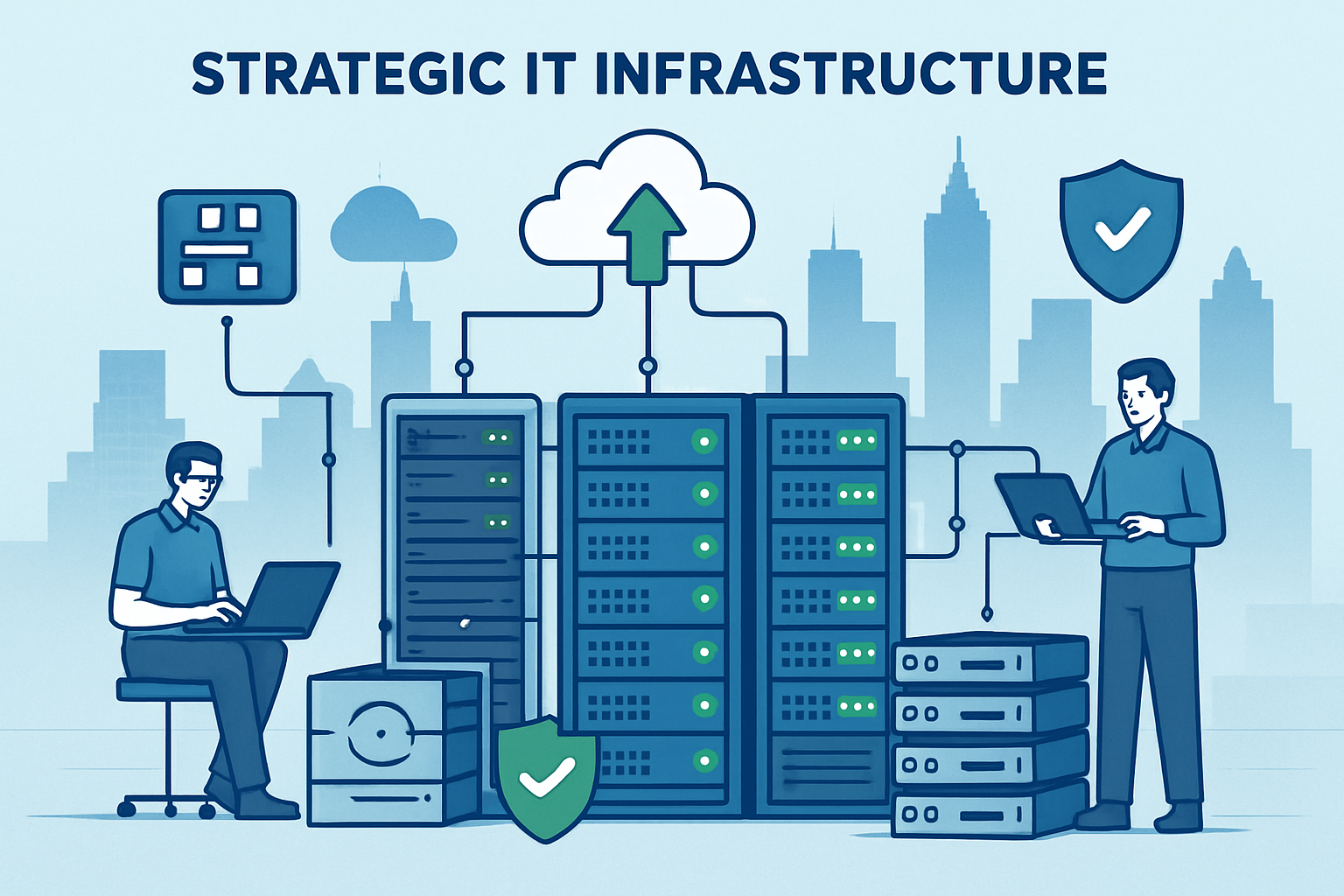
Working in the Metro Atlanta market, I’ve identified region-specific strategies that address our unique challenges:
Weather Preparedness
- Severe weather monitoring: Implement automated systems that shut down equipment safely before storms
- Generator placement: Ensure backup power systems are protected from flooding (common in areas near the Chattahoochee River)
- Communication redundancy: Maintain satellite communication options for severe weather events
Infrastructure Considerations
- Fiber diversity: In areas with limited fiber options (like parts of Gwinnett County), consider fixed wireless backup
- Power grid awareness: Understand Georgia Power’s grid layout and invest in battery backup for areas with frequent outages
- Traffic impact planning: Atlanta traffic can delay technician response times; factor this into your emergency planning
Local Vendor Networks
Build relationships with Metro Atlanta IT providers who understand local challenges:
- Response time guarantees that account for Atlanta traffic patterns
- Local parts inventory to avoid shipping delays during emergencies
- Regional expertise with Georgia Power, AT&T, and Comcast infrastructure
Technology Solutions for 2025
The technology landscape for preventing The True Cost of Downtime: How One Hour Offline Could Wipe Out a Week of Productivity has evolved significantly. Here are the most effective solutions for 2025:
AI-Powered Monitoring
Modern monitoring tools use artificial intelligence to predict failures before they happen:
- Predictive analytics identifies patterns that precede system failures
- Automated remediation fixes common issues without human intervention
- Intelligent alerting reduces false alarms while catching real threats
Edge Computing Solutions
Bringing computing power closer to your business reduces dependency on external connections:
- Local data processing continues even when internet connections fail
- Reduced latency improves performance during normal operations
- Hybrid cloud architectures provide the best of both worlds
Zero-Trust Security Models
Security breaches are a leading cause of extended downtime. Zero-trust models provide better protection:
- Continuous verification prevents unauthorized access
- Microsegmentation limits the scope of potential breaches
- Automated response isolates threats before they spread
Building Your Downtime Response Team
Even with the best prevention measures, some downtime is inevitable. Having a well-trained response team can dramatically reduce The True Cost of Downtime: How One Hour Offline Could Wipe Out a Week of Productivity.
Team Structure and Roles
Incident Commander: Makes decisions and coordinates response efforts
Technical Lead: Handles system restoration and troubleshooting
Communications Manager: Manages internal and external communications
Business Continuity Coordinator: Implements manual processes and workarounds
Response Protocols
First 5 Minutes: Assess scope and activate response team
First 15 Minutes: Implement immediate workarounds and notify stakeholders
First Hour: Execute recovery procedures and provide status updates
Post-Incident: Conduct a thorough review and update procedures
Communication Templates
Prepare communication templates in advance for:
- Internal team notifications
- Client/customer updates
- Vendor coordination
- Media responses (for larger incidents)
Measuring and Improving Resilience
You can’t manage what you don’t measure. Tracking the right metrics helps you understand and improve your resilience to downtime:
Key Performance Indicators (KPIs)
Mean Time to Detection (MTTD): How quickly you identify problems
Mean Time to Resolution (MTTR): How quickly you fix problems
Recovery Point Objective (RPO): Maximum acceptable data loss
Recovery Time Objective (RTO): Maximum acceptable downtime
Regular Testing and Drills
Monthly: Test backup systems and communication procedures
Quarterly: Conduct tabletop exercises with key stakeholders
Annually: Perform full disaster recovery simulations
Continuously: Monitor and analyze system performance data
Continuous Improvement Process
After every incident (or drill), conduct a thorough review:
- What went well? Identify successful procedures and responses
- What could be improved? Find gaps and weaknesses
- What should we change? Update procedures and training
- How do we prevent recurrence? Implement systemic improvements
The Future of Business Continuity
As we look toward the rest of 2025 and beyond, The True Cost of Downtime: How One Hour Offline Could Wipe Out a Week of Productivity will likely become even more significant. Several trends are shaping the future of business continuity:
Increased Automation
Businesses are becoming more automated, which creates both opportunities and risks:
- Automated recovery can reduce downtime duration
- System dependencies can amplify the impact of failures
- Human oversight becomes more critical for complex scenarios
Regulatory Compliance
New regulations are emerging around data protection and business continuity:
- GDPR-style privacy laws in various states
- Industry-specific requirements for healthcare, finance, and critical infrastructure
- Cyber insurance mandates requiring specific security measures
Sustainability Considerations
Environmental concerns are influencing business continuity planning:
- Energy-efficient backup systems reduce operational costs
- Carbon footprint considerations affect data center choices
- Sustainable practices become competitive advantages
Conclusion: Your Next Steps to Downtime Resilience
The True Cost of Downtime: How One Hour Offline Could Wipe Out a Week of Productivity isn’t just a cautionary tale – it’s a call to action. Every day you delay implementing proper business continuity measures is another day you’re gambling with your company’s future.
The businesses that thrive in 2025 and beyond will be those that recognize downtime prevention as a strategic investment, not just an IT expense. They understand that in our hyperconnected world, resilience isn’t optional – it’s essential for survival.
Your Action Plan
This Week:
- Calculate your potential downtime costs using the factors we’ve discussed
- Identify your most critical systems and single points of failure
- Review your current backup and recovery procedures
This Month:
- Conduct a comprehensive risk assessment
- Evaluate your vendor relationships and SLAs
- Begin implementing redundancy for your most critical systems
This Quarter:
- Develop and test comprehensive incident response procedures
- Train your team on emergency protocols
- Establish relationships with backup vendors and service providers
This Year:
- Implement comprehensive monitoring and predictive maintenance
- Regularly review and update your business continuity plans
- Build a culture of resilience throughout your organization
Remember Sarah’s story from the beginning? Six months after her devastating presentation failure, she invested in comprehensive business continuity planning. Last month, when a construction accident severed fiber cables in her building, her backup systems seamlessly took over. Her team didn’t miss a beat, and her clients never knew there was a problem.
The difference? She learned that The True Cost of Downtime: How One Hour Offline Could Wipe Out a Week of Productivity and took action to prevent it.
Don’t wait for your own disaster to strike. The time to act is now, while your systems are running and your team is productive. Your future self – and your bottom line – will thank you.